AI-Generated Horror Movies: A Creepy New Reality
Discover how AI-generated horror movies redefine fear with groundbreaking visuals and intense thrillers. See the future of horror unfold. Click here!
Every horror fan knows the thrill of fear, the suspense, the slow build-up, the sudden shock. But what if you could create the next terrifying story without huge crews, costly effects, or months of post-production?
That is when most creators ask the wrong question. Not “Can I make a horror film?” but “Can AI really capture fear without losing the emotional impact?” You have seen amateur effects fall flat. You have also seen complex VFX-heavy movies fail to scare.
Here is the truth most guides skip: AI-generated horror does not replace storytelling; it amplifies it. Story-native AI is not just a tool; it is a way to plan scares, tension, and visuals while keeping control over pacing, atmosphere, and psychological impact.
This guide shows how AI is changing horror filmmaking. From technical breakthroughs and creative strategies to ethical questions, you will see how fear itself is being reimagined and how you can create chilling, immersive horror experiences.
Key Takeaways
- AI-driven horror films combine storytelling, visuals, and audio to create immersive fear, often faster and cheaper than traditional production.
- Story-native AI focuses on narrative continuity, pacing, and character consistency, critical for suspenseful horror.
- Indie creators can now compete visually with studios through short-form AI-generated horror trailers and serialized horror stories.
- Horror subgenres like paranormal, psychological, and isolation thrillers thrive in AI because they rely on mood over physical realism.
- Ethical and copyright considerations are essential when using AI-generated actors, imagery, or datasets.
What is an AI-Generated Horror Movie?
An AI-generated horror movie uses artificial intelligence to create scenes, characters, and soundscapes that resemble traditional horror films. Instead of controlling every shot manually, AI helps maintain:
- Narrative continuity
- Tension and pacing
- Character consistency
- Atmospheric visuals
Unlike generic video tools, story-native AI focuses on building suspense and psychological tension, which are the core elements of effective horror.
At its core, AI horror does three things:
- Organizes scary beats and sequences: AI ensures that each jump scare, twist, or eerie moment appears at the right time.
- Manages tension and pacing: The AI balances quiet suspense with sudden shocks to keep viewers engaged.
- Keeps the audience immersed: Scenes flow naturally, preventing distractions that might break the fear or suspense.
This approach lets creators, whether indie filmmakers or hobbyists, produce horror that feels professional, chilling, and consistent while experimenting with visuals and storytelling in ways that were previously time-consuming or expensive.
Also Read: 20 AI Video Generator Prompt Examples Creators Can Use.
When AI Works Best in Horror Filmmaking
The best horror keeps viewers on edge rather than simply entertaining them. AI works well when the story focuses on suspense, atmosphere, and psychological tension instead of realistic action. By guiding visuals, sounds, and timing, AI lets creators build scares that feel alive, immersive, and unpredictable.
1. Paranormal and Psychological Thrillers
These stories are all about atmosphere and fear of the unknown. AI can help you:
- Build haunted houses, possession tales, and isolated horror scenes
- Add flickering lights, strange shadows, fog, and subtle facial expressions
- Introduce small visual quirks to make the scenes feel eerily off
The result is tension that feels natural, keeping viewers on edge without relying on heavy effects.
2. Short-Form Horror Trailers
Short clips are perfect for mobile audiences, and AI makes experimentation fast and easy:
- Test different monster designs, endings, and lighting setups in just hours
- Use quick cuts, sudden sounds, and vertical formats to grab attention
- Make clips that are ready to go viral while keeping the story tight
Rapid iteration lets creators see what really scares people and tweak it instantly.
3. Serialized or Episodic Horror
For longer stories, AI ensures everything stays consistent across episodes:
- Keep story arcs clear and recurring characters visually consistent
- Maintain tension, atmosphere, and style across multiple episodes
This approach makes binge-worthy AI horror practical, letting creators deliver gripping stories without huge budgets or long production times.
How AI Generates Realistic Fear?
Horror films work because of tension, atmosphere, and timing. AI-generated horror takes these elements and makes them easier to control and experiment with.
Through combining smart technology, realistic visuals, and evolving AI systems, creators can craft fear that feels real and keeps viewers on edge.
1. Technology
AI gives creators tools that replace many traditional production steps while keeping full control over the story. With AI, you can:
- Build each scene in detail, step by step
- Adjust camera angles and framing to create suspense
- Sync sound effects and voice acting with visuals
- Keep characters looking consistent across scenes
These capabilities let creators focus on storytelling and pacing, rather than technical hurdles, while still delivering cinematic tension.
2. Visuals
What the audience sees has the biggest effect on fear. AI can now create visuals that are unsettling without being overdone:
- Flickering lights and shadowy corners that hint at danger
- Motionless or distorted figures lurking in the background
- Fog, rain, and other atmospheric effects to set the mood
- Subtle facial expressions that convey fear or dread
Even small imperfections, such as slightly unnatural movements or lighting, can make scenes feel eerily unsettling.
3. Smarter AI Capabilities
Early AI horror videos often struggled with problems like characters changing shape, inconsistent lighting, and flickering backgrounds. Modern AI now:
- Maintains consistent style and atmosphere throughout a scene or sequence
- Ensures characters look the same every time they appear
- Follows a structured story arc so the narrative feels complete and connected
This evolution means AI horror can now create tension that builds naturally, keeping viewers immersed from start to finish.
With AI, fear is no longer just imagined, it can be generated, tested, and refined quickly, giving indie creators and studios alike a new way to scare audiences.
How to Start Creating AI Horror?
Bringing a horror story to life with AI starts with clear choices. The genre, story arc, and visuals you pick set the stage for tension, fear, and immersion. Thoughtful planning ensures your AI-generated scenes feel intentional rather than random.
- Pick your genre carefully: Paranormal, psychological, and isolation horror work best because they rely on mood, tension, and atmosphere more than pure action.
- Map out your story arc: AI works best when tension and scares are planned. Outline key suspense points, climaxes, and emotional beats before generating scenes.
- Use story-native AI platforms: Tools like Frameo help maintain character consistency, pacing, and visual style across all sequences.
- Experiment quickly: AI allows rapid testing of lighting, monster designs, and alternate endings. You can try multiple ideas in hours instead of weeks.
- Follow ethical guidelines: Respect copyright, maintain transparency, and protect creator rights. Ethical choices keep your work safe and credible.
These steps give creators a foundation, but inspiration from classic horror films can guide how tension and fear are delivered most effectively.
By looking at films that perfected suspense and psychological horror, you can see why certain moments make audiences uneasy and learn how AI can recreate them.
- The Shining: Slow-building suspense that makes every hallway and shadow feel ominous.
- Hereditary: Intimate, emotional dread that stays with viewers long after the scene ends.
- Ex Machina: Subtle, eerie tension that comes from technology and unseen threats.
AI tools can recreate these cinematic techniques in new ways:
- Long, silent hallway shots to create unease
- Close-ups capturing fear and subtle expressions
- Minimalist soundscapes that heighten psychological tension
By combining careful planning with lessons from classic films, creators can use AI to craft horror that feels both chilling and memorable.
Also Read: How to Write a Script: Step-by-Step for AI, Shorts and Film.
Technical Challenges and Opportunities in AI Horror Filmmaking
AI-generated horror opens doors to terrifyingly creative visuals, but it also comes with hurdles that creators must understand. Slight imperfections, glitches, or inconsistencies can either break immersion or make the horror even more unsettling. The key is using these quirks intentionally to amplify suspense rather than distract.
These technical challenges can become opportunities when handled thoughtfully. The table below highlights common hurdles and how creators can turn them into strengths.
Challenge | What It Means | How Creators Can Use It |
Uncanny Valley Effects | Slightly off visuals or movements feel eerie | Turn subtle distortions into suspenseful moments that unsettle viewers |
AI Artifacts | Flickers, glitches, or unnatural facial expressions | Use these imperfections strategically to create tension or jump scares |
Character Consistency | AI can struggle to maintain recurring characters | Keep characters coherent across scenes to maintain emotional investment and control fear |
Scene Lighting and Mood | Shadows or lighting may appear unnatural | Adjust lighting digitally to preserve a dark, immersive atmosphere |
Audio Sync and Sound Design | AI-generated audio may lag or feel mechanical | Layer sound effects or voiceovers manually to maintain immersive scares |
Environmental Details | AI may misrender props or background elements | Introduce deliberate inconsistencies to make scenes feel uncanny and unpredictable |
Story Continuity | AI can lose track of narrative flow | Reinforce key beats and plot points to keep tension building steadily |
When these challenges are managed with intention, what might seem like limitations become powerful tools to heighten fear and create memorable AI-generated horror experiences.
Examples of AI-Generated Horror Movies
AI-generated horror films show how tension, suspense, and atmosphere can be crafted efficiently while keeping the audience engaged. Across different formats and lengths, AI is helping filmmakers experiment with scares, visuals, and sound in ways that were once time-consuming.
Here’s a look at the types of AI-generated horror content being created today:
1. Short AI Horror Films on YouTube
Bite-sized horror clips that last just a few minutes, with eerie visuals, suspenseful pacing, and chilling sound effects that keep viewers on edge.
2. AI Horror Experiments
Scenes with flickering shadows, distorted figures, and sudden audio cues that create tension and test different scare techniques in real time.
3. TikTok AI Horror Clips
Vertical horror videos with jump scares, creepy audio, and unsettling imagery designed to grab attention quickly on mobile screens.
4. Indie AI Horror Trailers
Short trailers with haunting atmospheres, tense pacing, and consistent characters, delivering cinematic-quality previews without a large production team.
These examples highlight how AI can bring a wide range of horror concepts to life quickly, helping creators explore fear, suspense, and storytelling in entirely new ways.
Ethics and Legal Considerations in AI-Generated Horror Movies
AI-generated horror movies open new creative possibilities, but they also raise important questions about fairness and responsibility. Every choice you make, from visuals to story to characters, can affect your audience, your reputation, and other creators.
1. Thinking About Ethics
When you create horror with AI, ethical decisions are unavoidable. You need to ask:
- Who actually owns the content your AI creates?
- How should actors’ likenesses, or even performances of people who have passed away, be handled?
- Are viewers aware that AI played a role in generating the story or visuals?
Solutions and Impact
Being clear about AI involvement builds trust with your audience and avoids misunderstandings. Respecting likeness rights ensures creators stay on the right side of the law while protecting your reputation. Transparency also helps your horror stories feel responsible without limiting your creative vision.
2. Copyright and Compensation
AI learns from huge datasets, which often include the work of other artists. This can create tricky situations:
- AI may reproduce copyrighted visuals, music, or effects.
- Sharing revenue or deciding who gets paid can be unclear.
- Derivative works risk legal challenges if safeguards are not in place.
Solutions and Impact
Platforms offer built-in tools for licensing and fair compensation, making it easier to monetize your work safely. Tracking training data and respecting copyright helps you avoid disputes while keeping the creative focus on crafting great horror.
3. Responsible Storytelling
AI can generate scary visuals and tension, but it can’t think about context or emotional depth. Without careful oversight:
- Stories may include content that is too graphic or culturally insensitive.
- Characters may lose emotional depth.
- Over-reliance on AI can lead to inconsistent narratives.
Solutions and Impact
Reviewing and guiding AI output ensures your horror stories stay gripping and meaningful. Setting content guidelines lets you experiment boldly while staying responsible. The result is a film or short that terrifies and engages audiences without crossing ethical lines.
Considering these ethical and legal questions early allows creators to experiment freely without risking trust, copyright issues, or backlash. When handled responsibly, AI horror can expand storytelling possibilities while maintaining integrity and fairness.
Also Read: Bring Your Scripts to Life with Frameo’s AI Voice for Videos.
What’s Next for AI-Generated Horror Movies?
AI-generated horror is changing the way horror stories are created. Creators can now experiment with fear faster, reach bigger audiences, and explore new formats that were impossible just a few years ago. Here’s what’s coming:
- Fully AI-Generated Mini-Series: Complete horror series can be created quickly, with AI handling visuals, audio, and story flow.
- Episodic Mobile Thrillers: Short horror episodes made for mobile devices keep viewers engaged wherever they are.
- Interactive Horror Stories: Audiences can make choices that shape the story, making scares feel personal and unpredictable.
- Cross-Platform Expansion: AI can turn content into short videos, comics, or episodic formats, and platforms help with creation, sharing, and earning from one place.
- Affordable Indie Production: Small teams can make cinematic-quality horror without huge budgets, closing the gap with studios.
- Rapid Idea Testing: Creators can try different monsters, endings, and lighting setups in hours to perfect tension.
- Audience Feedback Insights: AI can track how viewers react to stories and help improve pacing and suspense for future projects.
AI horror is not just about scary visuals. It is about smarter storytelling, faster production, and giving creators the freedom to experiment with fear like never before.
Create AI-Generated Horror Movies Instantly With Frameo
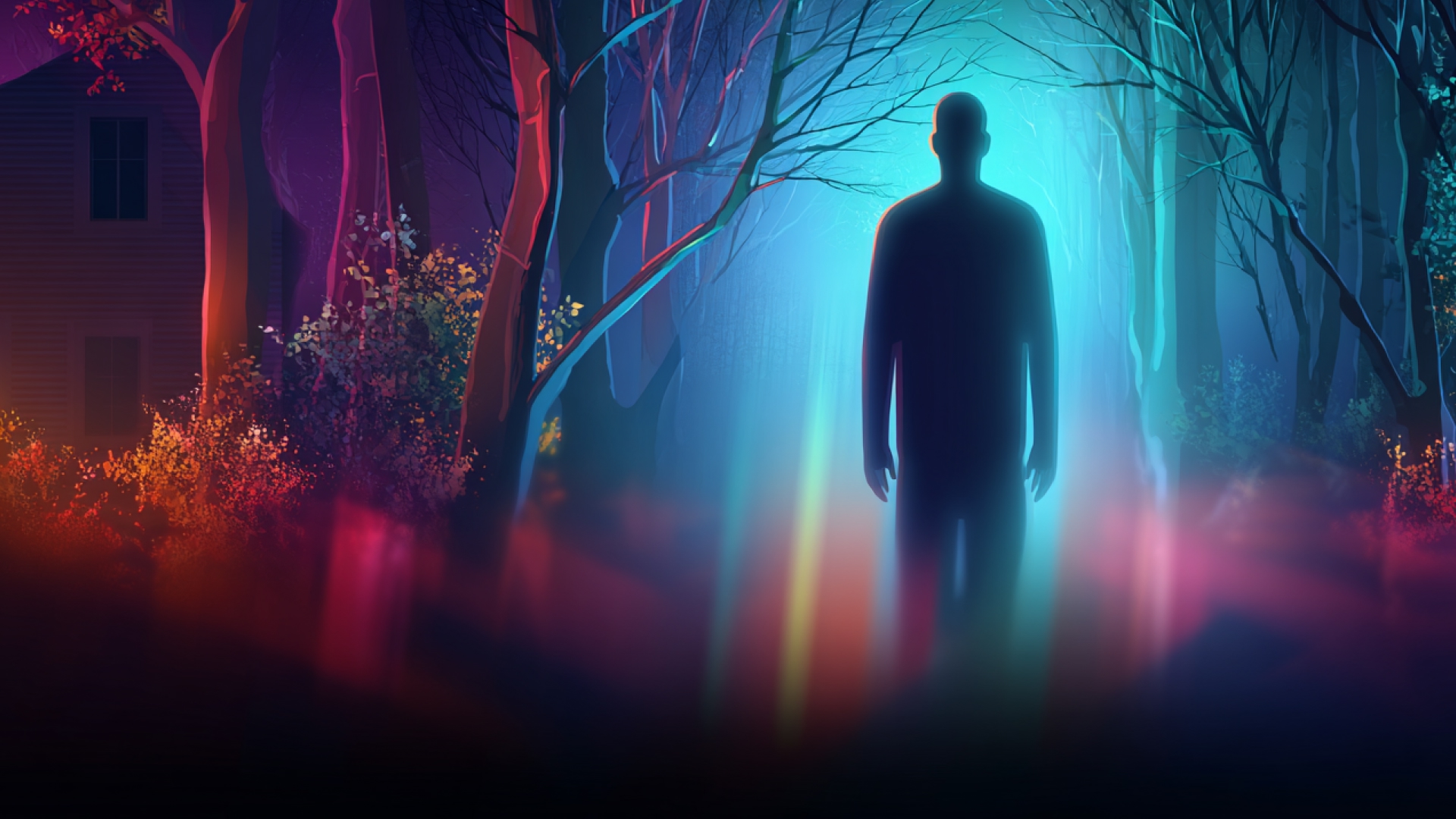
Writing strong horror concepts is only half the battle; creators also need tools that can capture suspense, continuity, and cinematic scares. Frameo is built for this, making it simple to turn structured prompts into chilling, professional-quality horror sequences.
- Instant Multi-Shot Horror Scenes: Turn your structured horror prompts into full sequences automatically, no manual input needed.
- Consistent Creepy Atmosphere: Maintain characters, lighting, environments, and camera logic across all shots.
- Full Camera & Style Control: Adjust shot type, camera motion, frame rate, lighting, and style presets for cinematic horror.
- Spine-Chilling AI Voiceovers: Sync narration, screams, and spooky dialogue to match your horror script.
- Quick Variations & Testing: Generate multiple takes with different lighting, pacing, or aspect ratios (9:16, 16:9, 1:1).
- Time-Saving Preproduction: Reduce planning time while keeping suspense, jump scares, and haunted settings intact.
- Professional Horror Storytelling: Perfect for monster reveals, eerie sequences, and immersive horror experiences.
With Frameo, you can create cinematic horror movies faster, more consistently, and with every scare executed exactly as imagined.
Final Thoughts
AI-generated horror movies open new creative possibilities for filmmakers, but they also carry responsibility. Because these films can feel real, ethical choices around consent, representation, transparency, and originality are critical.
Ethics in AI horror is not about limiting creativity. It is about using tools intentionally, understanding audience perception, and respecting their trust.
Creators who handle AI responsibly spend less time fixing mistakes and more time building tension, atmosphere, and compelling stories.
Start creating your AI-generated horror movie today with Frameo, using story-first workflows that ensure ethical, controlled, and impactful horror from the first prompt.
FAQs
1. Can AI replace human filmmakers in horror?
Not completely. AI can prototype scenes, characters, and trailers, but human direction is still essential for emotional depth, suspense, and storytelling nuance.
2. Which horror genres work best with AI?
Paranormal hauntings, psychological thrillers, digital dystopias, and isolation horror shine with AI because they rely on mood and tension more than physical realism.
3. How does AI maintain consistency in horror films?
AI keeps recurring character models, scene continuity, and style persistence, ensuring each sequence fits seamlessly into the story.
4. Are there ethical concerns with AI horror?
Yes. Issues like ownership, actor likeness rights, and transparency in AI-generated content are real. Full-stack platforms can embed safeguards to manage these responsibly.
5. Can indie creators compete with big studios using AI?
Absolutely. AI lowers costs, reduces production time, and enables smaller teams to produce high-quality horror that rivals studio-level work.
6. Why do AI-generated horror trailers go viral?
Short-form clips use vertical storytelling, tight pacing, sudden lighting changes, and sound cues to capture attention, especially on mobile platforms.