Benefits of AI Video Platforms Over Professional Agencies
Experience rapid ROI, cost savings, and lightning-fast production with AI video platforms. Access superior scalability and efficiency now!
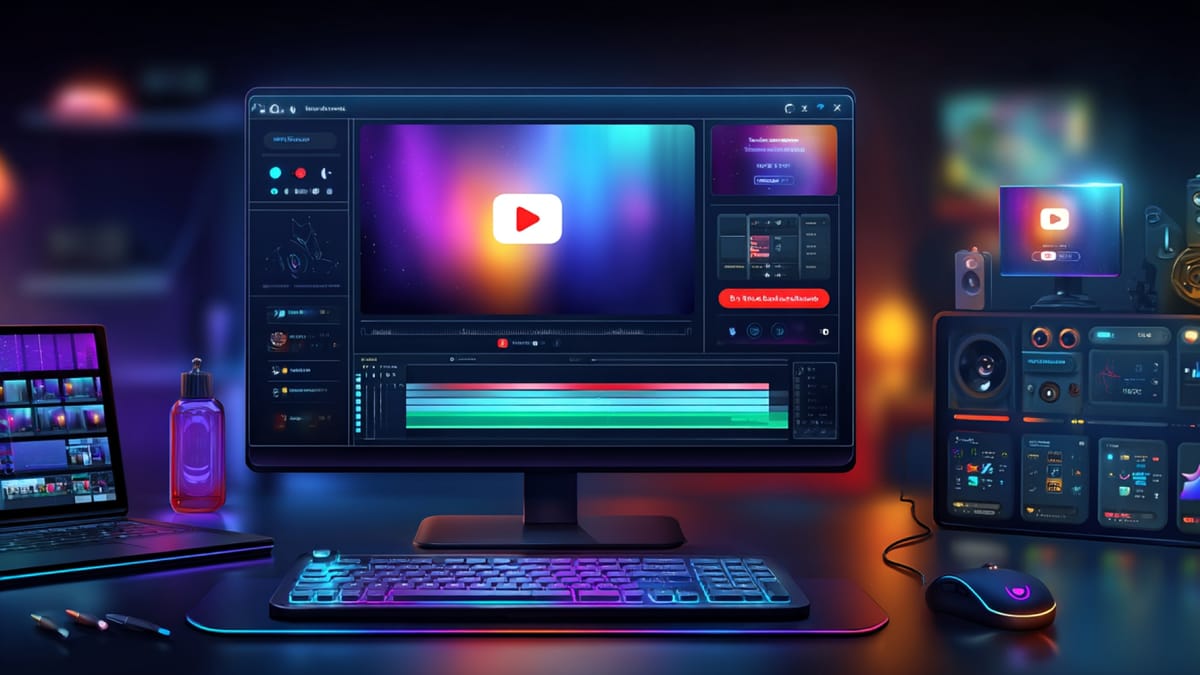
If you’re producing videos today, the pressure isn’t just from one platform. Social feeds, Reels, product demos, and story-driven clips all demand polished motion and fast turnaround. Studies show that 36% of marketing teams struggle to produce content at the speed required by digital platforms. Ideas are everywhere, but turning them into finished videos through traditional agencies can feel slow, costly, and complicated.
This is where AI video platforms step in. Not hype, but a practical solution. When agencies are expensive, time-consuming, and team-heavy, AI platforms offer speed, scalability, and flexibility while maintaining professional production quality.
This guide explains the benefits of AI video platforms over professional video production agencies, showing how they make video creation faster, easier, and more affordable, with examples you can use to make your own videos.
Key Takeaways
- AI video platforms make video production faster by automating tasks that usually need large teams or studios
- The main benefits are lower costs, quicker turnaround, easy scaling, and the ability to customize videos for different audiences
- They handle editing, visuals, audio, and iterations automatically so creators can focus on the message and story
- Common use cases include social media clips, product demos, internal training videos, campaign variations, and short-form storytelling
- You can produce high-quality videos, voiceovers, seasonal content, and multiple platform formats without waiting for traditional agencies
Why Traditional Video Production Models Slow Down Modern Marketing?
Traditional video production was designed for large campaigns, not continuous content cycles. While agencies deliver polish and expertise, their model often slows down everyday marketing needs.
Here’s where the pressure builds.
- High costs at every step: Retainers, studio space, equipment, production crews, editors, and post-production all stack together. Even short videos require multiple specialists and review rounds, making frequent content expensive fast.
- Slow turnaround: The workflow runs in fixed stages like brief, script, pre-production, shoot, edit, revise, and deliver. Each phase depends on schedules and approvals, so even simple videos can take weeks. That delay limits campaign speed and testing.
- Oversized teams for routine content: Directors, animators, editors, voiceover artists, and coordinators may all support one video. This structure works for big productions, but it feels heavy for social clips or product updates.
- Limited access for smaller brands: Ongoing agency support requires a significant budget. Startups and independent creators often cannot sustain that investment, even when they need consistent content.
Agencies remain valuable for high-budget, cinematic campaigns. But for day-to-day marketing and rapid experimentation, their structure often creates bottlenecks instead of flexibility.
Also Read: Future of Content Creation: 2026 Trends & Predictions
Difference Between AI Video Platforms and Professional Video Production Agencies
AI video platforms and professional agencies solve the same problem in very different ways. One is built for ongoing content and fast execution. The other is designed for large, carefully managed productions.
Here’s a clearer comparison across the most important factors:
Aspect | AI Video Platforms | Professional Video Production Agencies |
How Production Works | Automated, software-based creation from scripts or prompts | Planned shoots with directors, crews, and post-production teams |
Speed to Delivery | Hours to a few days | Several weeks from brief to final cut |
Cost Model | Predictable subscription or usage pricing | Project-based pricing with layered production costs |
Team Size Required | Small internal team can manage output | Multiple specialists involved per project |
Content Volume | Easy to produce frequent and varied content | Output limited by time, budget, and scheduling |
Iteration & Testing | Quick edits and multiple variations are possible | Changes often require re-editing or additional production work |
Creative Control | Structured controls within the platform | High manual control during filming and editing |
Best Fit | Social media, ads, product updates, and ongoing campaigns | High-budget brand films and cinematic storytelling |
In short, AI platforms focus on speed, scale, and repeatability. Agencies focus on detailed execution and high-production value. The right choice depends on whether you need continuous content or a major flagship production.
For teams exploring AI video creation, platforms like Frameo.ai can help visualize ideas and test multiple concepts quickly, giving a practical sense of what works before committing to full-scale production.
Top 10 Advantages of AI Video Platforms Over Video Production Agencies
Traditional video production is often slow, expensive, and difficult to scale. AI video platforms address these challenges by streamlining workflows, automating repetitive tasks, and giving creators more control. They remove the need for large teams or studio resources while maintaining professional-quality output.
Here’s how AI platforms bring value across common production hurdles.
1. Drastic Cost Savings
High production costs often prevent small businesses and independent creators in the U.S. from making professional videos. AI video platforms dramatically reduce these expenses, letting anyone produce polished content affordably.
- You don’t need full production crews, studios, or expensive equipment, as the platform handles all production steps.
- Editing, audio, and visual effects are automated, removing the need to hire specialists or purchase additional software.
- For example, a 60-second product demo that could cost $3,000–$5,000 with a traditional agency can now be made for $200–$500, enabling startups, educators, and small brands to create polished videos quickly.
Cost compression fundamentally changes content strategy. When marginal video cost drops, experimentation increases.
2. Lightning-Fast Production
In a digital world where trends move at lightning speed, waiting weeks for a video can mean missing out on opportunities. AI video platforms give creators the power to turn ideas into finished videos in just a few hours.
- Iterations and adjustments happen almost instantly, so ideas can be refined on the fly without waiting for long review cycles.
- Editing, transitions, and visual effects are handled automatically, streamlining the process from concept to export.
- For example, a company launching a new app feature can generate multiple explainer videos for social media in a single day, testing formats and messages quickly.
This fast turnaround allows brands, startups, and content teams to respond immediately to opportunities, keeping their campaigns timely and relevant.
Also Read: 5 Reasons Creators Are Switching to Frameo for AI Video Generation.
3. Unlimited Scalability
For brands and creators, producing large volumes of video content with traditional agencies often means higher costs, longer timelines, and bigger teams. AI video platforms remove these bottlenecks, making it easy to scale production efficiently.
- Multiple videos can be generated simultaneously, with consistent characters, colors, and visual style across episodes or campaigns.
- Automated workflows ensure uniformity even when producing dozens of videos, eliminating manual adjustments and quality issues.
- For example, a SaaS company creating a 10-part onboarding tutorial series can produce all the videos at once without hiring additional editors or designers.
This capability allows startups, marketers, and agencies to execute high-volume content strategies without inflating budgets or sacrificing quality.
4. On-Demand Accessibility
Traditional video production often requires scheduling studios, coordinating multiple teams, and navigating logistical hurdles, which slows down content creation. AI video platforms remove these barriers, giving creators the freedom to produce videos whenever they need to.
- Creators can start generating content immediately without booking studios or managing large production crews.
- User-friendly interfaces allow even non-technical users to create polished, professional-looking videos.
- For example, a freelance designer can produce multiple social media shorts for a client in an afternoon, rather than waiting weeks for a production agency.
This flexibility ensures that content creation can keep pace with real-time marketing needs and emerging trends.
5. Automation for Efficiency
Manual post-production work, such as editing, audio syncing, and visual adjustments, can consume significant time and money. AI video platforms automate these repetitive tasks, making production faster and more affordable.
- Scene composition, audio integration, and visual tweaks happen automatically, reducing the need for specialized staff.
- Multiple edits or variations can be created from a single source without having to start over each time.
- For example, an e-commerce brand can quickly produce seasonal video versions such as Halloween, Black Friday, or Christmas campaigns from a single product script.
By automating routine tasks, creative teams can focus on refining messages, crafting stories, and experimenting with new ideas rather than getting bogged down in editing.
6. Hyper-Personalization at Scale
Audiences engage more with content tailored to their interests. AI platforms enable personalization without multiplying costs.
- Videos can be adapted for different demographics, regions, or customer segments.
- Messaging, visuals, and even voiceovers can be customized while maintaining the core story.
- For instance, an online education platform can generate course promo videos with region-specific examples or language localization for different markets.
Personalized content improves engagement, conversion, and viewer satisfaction.
7. Enhanced Engagement and Reach
AI-created videos can grab more attention and perform better because they are built for the platforms where people actually watch.
- Videos are ready for mobile and vertical formats like Instagram Stories, Reels, or YouTube Shorts.
- Creators can quickly tweak videos in response to how viewers respond in real time.
- For example, brand introducing a new product can adjust video length, captions, or calls to action on Instagram, TikTok, or YouTube to get more clicks and shares.
This way, your videos reach the right audience and deliver better results without extra effort.
8. Professional-Quality Voiceovers
Producing high-quality audio is usually costly and takes a lot of time. AI video platforms make voiceovers simple and fast.
- Natural-sounding narration is generated instantly and stays consistent across multiple videos.
- There is no need to hire recording studios or professional voice actors.
- For example, health tech startup can create several testimonial videos with consistent narration in just minutes instead of scheduling multiple recording sessions.
This approach saves time and money while maintaining a professional, polished audio experience for every video.
Also Read: How Digital Marketers and Creators Are Saving Hours with AI and Automation.
9. Data-Driven Insights
Knowing how your videos perform is essential, but traditional reporting can be slow and fragmented. AI video platforms track performance automatically and provide insights you can act on immediately.
- Key metrics like engagement, watch time, and viewer drop-off are captured in real time.
- Patterns and trends guide adjustments, helping you refine visuals, pacing, or messaging quickly.
- A marketing manager running multiple social ads can instantly see which version drives higher engagement and tweak future videos accordingly.
This approach reduces guesswork, speeds up creative decisions, and ensures every video is optimized for the audience.
10. Rapid ROI and Agility
AI video platforms combine speed, cost savings, scalability, and analytics to deliver faster results than traditional production.
- Campaign performance can be measured within days instead of weeks, giving you quick feedback on what works.
- Trends, messaging, and visuals can be tested and adjusted instantly, without redoing the entire video.
- For example, a D2C brand running a five-day sale can create new promotional clips each day, update messaging mid-campaign, and drive higher engagement efficiently.
With AI, video production shifts from slow and costly to fast, flexible, and results-focused, turning ideas into measurable marketing impact.
Where AI Video Platforms Deliver the Most Value?
AI video platforms are powerful, but they are not built for every type of production. They perform best in environments that value speed, flexibility, and experimentation. Knowing where they excel and where they fall short helps you use them strategically instead of expecting them to replace every production workflow.
Here is where AI platforms deliver the strongest results.
- Concept visualization: AI tools are highly effective for turning abstract ideas into tangible visuals. Instead of describing a campaign direction in slides, teams can generate quick video drafts that show tone, pacing, and structure. This speeds up internal alignment and reduces guesswork early in the creative process.
- Short-form social content: Platforms built for AI video production are ideal for fast, platform-ready clips. Whether it is vertical videos for feeds or quick promotional snippets, AI makes it practical to publish consistently without long production cycles.
- Creative exploration: AI platforms enable teams to quickly experiment with different styles, moods, formats, and messaging angles. Because production time and cost are lower, testing bold ideas becomes less risky. This encourages innovation without the pressure of large upfront investments.
- Internal and support content: Pitch decks, product demos, onboarding visuals, and strategy explainers can be created efficiently using AI. These videos often need clarity and structure more than cinematic quality, making them a strong fit for automated workflows.
- Brand-critical campaigns: When campaigns require exact logo placement, strict brand guidelines, or frame-by-frame visual control, traditional production workflows may offer greater precision. High-visibility brand launches often demand tighter manual oversight.
- Long-form narrative storytelling: Extended, story-driven sequences that rely on subtle pacing, complex emotional arcs, or detailed live-action performance can be harder to fully manage within AI systems. These projects may still benefit from dedicated production teams.
- Highly conversion-sensitive content: When messaging, timing, and visual detail must be optimized at a granular level for performance, additional manual editing and refinement may be necessary beyond automated generation.
AI video platforms are strongest when used where speed, scalability, and flexibility matter most. For highly controlled, large-scale productions, traditional methods may still play a role. The key is matching the tool to the objective rather than expecting one approach to fit every scenario.
Turn the Benefits of AI Video Platforms Into Real Results With Frameo.ai
Understanding the benefits of AI video platforms over professional video production agencies is one thing. Putting those benefits into action is what actually changes how your team works.
Frameo fits teams that need structured, repeatable video workflows without agency overhead.
Traditional agencies are built around shoots, crews, timelines, and layered approvals. Frameo is built around speed, structure, and repeatable workflows. When you need consistent digital content instead of one major campaign per quarter, that difference matters.
Move Faster Without Waiting on Production Cycles
With agencies, every video requires planning, coordination, and post-production rounds. Frameo removes those delays. You start with a script or key points and generate a structured, ready-to-use video in hours.
This speed allows you to launch, adjust, and relaunch without losing momentum.
Scale Content Without Scaling Costs
Agency output grows with budget. More videos mean more production days and higher invoices. Frameo runs on software, not studio time.
You can create multiple variations, audience-specific edits, and platform formats without rebuilding the process or multiplying costs.
Keep Structure and Consistency Across Campaigns
Frameo is designed to maintain clear scene flow, tone, and visual consistency across videos. Instead of disconnected assets, you build a repeatable content system that supports ads, product explainers, launches, and ongoing campaigns.
You are not producing one-off videos. You are building a scalable content engine.
Test and Improve Without Starting Over
With traditional production, changing a message often means re-editing or reshooting. Frameo lets you quickly adjust structure, pacing, or messaging while keeping the core video intact. This makes real testing practical rather than expensive.
If agencies represent the old production model, Frameo offers a faster, more flexible approach.
When speed, scalability, and control matter, Frameo helps you turn the benefits of AI video platforms into working, campaign-ready videos without the weight of traditional production workflows.
Conclusion
AI video platforms are redefining content production by making video creation faster, more affordable, and easier to scale than traditional agencies. What once required weeks of coordination and high budgets can now be executed in hours through structured, AI-driven workflows.
Choosing the right approach depends on your goals. Large cinematic or broadcast campaigns may still require professional production teams. But for ongoing digital content, ad testing, product explainers, and multi-platform distribution, AI platforms offer a clear efficiency advantage.
Teams that adopt early gain speed, flexibility, and the ability to experiment more often. If you want to create structured, scalable videos without agency timelines or costs, start with Frameo and turn your ideas into finished videos in hours, not weeks.
FAQs
1. Can AI video platforms replace professional video production agencies?
AI platforms are ideal for fast, scalable digital content such as ads, product demos, and campaign variations. Large cinematic or broadcast productions may still require traditional agency teams.
2. Are AI generated videos professional quality?
Yes. Modern AI tools produce structured videos with consistent visuals, synchronized audio, and clean formatting suitable for marketing and distribution.
3. How much faster is AI compared to agencies?
AI videos can be created within hours, while agency projects often take weeks due to multi stage production processes.
4. Can AI video platforms scale content production efficiently?
Yes. You can generate multiple versions, formats, and audience variations without increasing costs in proportion to output.
5. What are the main limitations of AI video platforms?
Highly complex live action shoots or brand critical campaigns that require extensive creative control may still benefit from traditional production workflows.