Best AI Video Generation Models of 2026
Discover top AI video generation models of 2026 like Google Veo 3.1 & OpenAI Sora 2. Check strengths, performance & use cases. Explore now!
AI video generation has entered a very different phase in 2026. What once produced short, glitchy clips is now capable of generating structured scenes, consistent characters, synchronized audio, and platform-ready videos. As a result, creators, marketers, and studios are no longer just comparing tools; they’re comparing models and the platforms that make those models usable.
At the same time, the landscape has become harder to navigate. New AI video generation models are released frequently, each claiming better realism, longer clips, or more creative control. Some are foundation models built by major labs, while others are creator-facing platforms that package multiple models into usable workflows.
This guide breaks down the most relevant AI video generation models and platforms in 2026, explains how they differ, and helps you understand which ones actually fit real-world creation needs.
TL;DR / Key Takeaways
- AI video generation in 2026 is defined by models and workflows. Raw realism matters less if outputs can’t be turned into publishable videos.
- Foundation models and creator platforms serve different roles. Models like Sora, Veo, and Seedance push technical limits, while platforms translate that power into usable formats.
- Consistency and structure are now bigger differentiators than novelty. Multi-scene coherence, pacing, and control matter more than isolated “wow” clips.
- Social-first requirements shape adoption. Vertical output, short duration, and fast iteration determine which models gain real creator traction.
- Workflow fit beats model strength. Creators succeed by choosing tools aligned with how often, where, and why they publish.
What “AI Video Generation Models” Means in 2026
In 2026, the term AI video generation model no longer refers to a single capability. It describes a class of large, multimodal systems trained to generate video from text, images, or structured prompts.
Broadly, there are two layers to understand:
- Foundation video models
These are large-scale AI systems (such as Sora, Veo, or Seedance) that generate video at the model level. They focus on realism, motion understanding, physics, and scene coherence. - Creation platforms built on top of models
These platforms take one or more underlying models and turn them into usable tools with workflows, story structure, audio handling, formatting, and export options.
Most creators don’t interact with raw models directly. What matters in practice is how well a platform translates model capability into repeatable, publishable video output.
That distinction becomes critical when evaluating tools in 2026.
Key Trends Shaping AI Video Generation in 2026

Several clear trends define how AI video generation models are evolving this year.
1. Longer and more coherent video outputs
Early AI video models struggled to maintain consistency beyond a few seconds. In 2026, many models can generate multi-scene clips with stable environments, smoother transitions, and fewer visual artifacts.
2. Native audio and voice integration
Video is no longer silent by default. Modern models increasingly support voice, sound effects, and dialogue generation, reducing the need for separate audio workflows.
3. Better understanding of motion and physics
Newer models show improved handling of camera movement, object interaction, and physical continuity, making videos feel less artificial.
4. Shift from “wow demos” to usable workflows
The biggest shift is not just visual quality, but usability. Platforms that combine models with story structure, pacing, and format control are gaining more adoption than raw generation tools.
5. Social-first optimization
Vertical video, short duration, and fast iteration are now core requirements. Models that can’t adapt to social formats are increasingly sidelined.
These trends explain why some platforms are gaining traction faster than others, and why model capability alone is not enough.
Top AI Video Generation Models and Platforms in 2026
1. Frameo

Frameo stands apart from most AI video platforms because it is built around how creators actually publish video in 2026, not around showcasing model power in isolation.
Instead of treating AI video generation as a single prompt-to-clip action, Frameo is designed as a story-first, short-form video creation platform. It turns prompts or scripts into structured, scene-based videos that are ready for social platforms without additional editing.
What makes Frameo particularly relevant in the 2026 landscape is how it operationalizes AI video generation models. Rather than exposing creators to raw model complexity, it focuses on pacing, narrative flow, visual consistency, and vertical formatting.
Frameo emphasizes publishability over novelty.
Key capabilities
- Text-to-video generation designed for short, cinematic content
- Scene-based and storyboard-style video workflows
- Native vertical (9:16) output for Reels, Shorts, and TikTok
- Faceless and avatar-driven video creation
- Integrated AI voiceovers and dubbing
Why Frameo stands out
- Built specifically for short-form, story-driven videos
- Maintains visual and narrative consistency across scenes
- Removes the need for traditional editing timelines
- Optimized for frequent publishing and fast iteration
Limitations
- Not intended for long-form or traditional film-style editing
- Less suited for enterprise training or long instructional videos
Best suited for
- Creators producing Reels, Shorts, and TikToks
- Story-based and cinematic short videos
- Faceless content, micro-dramas, and narrated shorts
In a market increasingly crowded with powerful but abstract AI video models, Frameo succeeds by translating model capability into a clear, repeatable creation workflow.
Continuing. In this section, I’ll cover the next three platforms, keeping the structure clean, consistent, and easy to scan, and still clearly differentiating them from Frameo.
2. OpenAI Sora 2
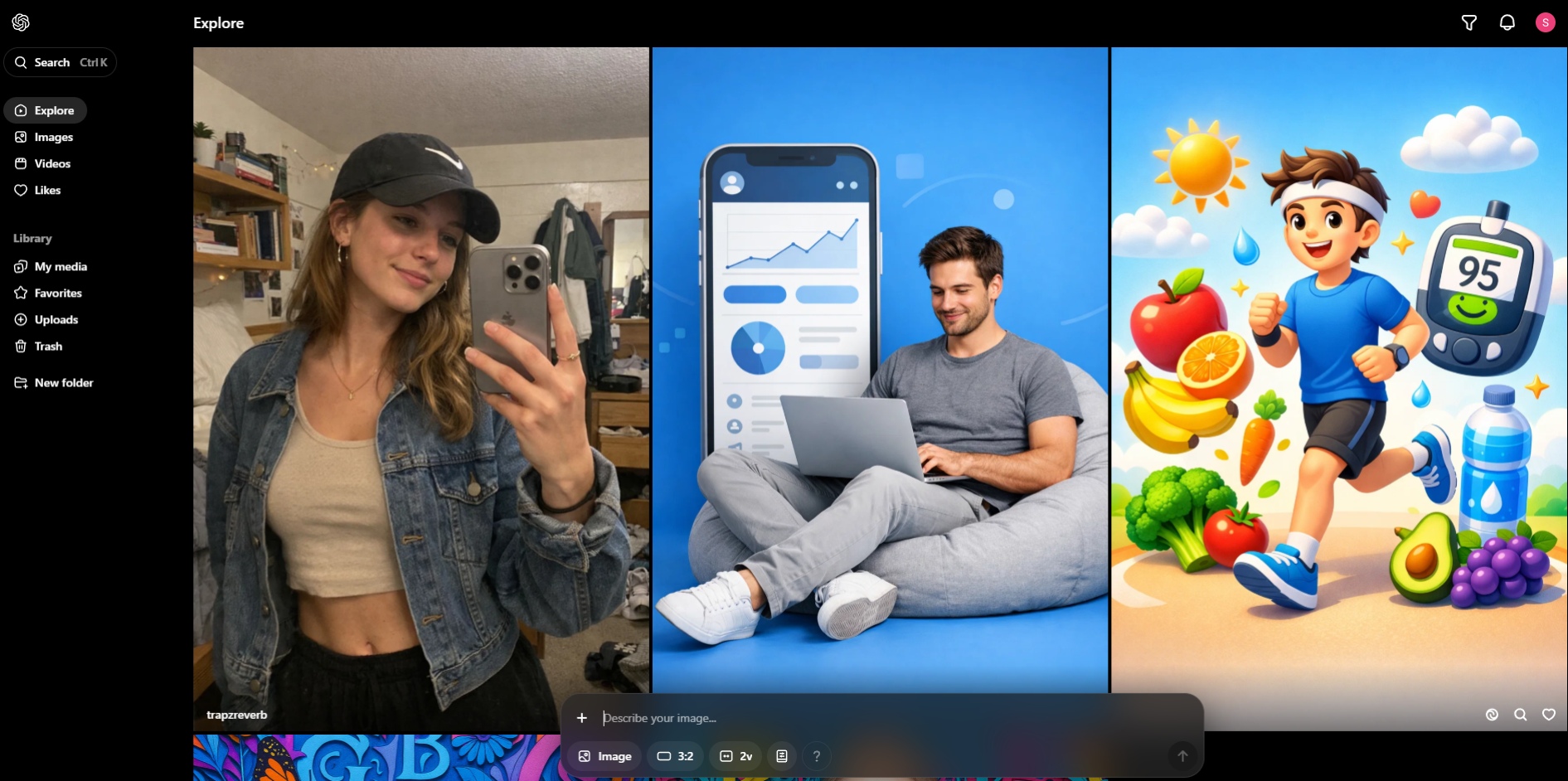
OpenAI Sora 2 represents one of the most advanced foundation-level AI video generation models available in 2026. It is designed to generate highly realistic video scenes directly from text prompts, with great improvements in motion, lighting, and environmental consistency compared to earlier generations.
Sora 2 is not built as a creator platform in the traditional sense. Instead, it functions as a powerful underlying model that demonstrates what is technically possible in AI video generation.
Key features
- High-fidelity text-to-video generation
- Improved handling of physics, lighting, and camera motion
- Multi-scene video generation with stronger continuity
- Native support for audio and dialogue in newer versions
Pros
- Exceptional visual realism
- Strong narrative coherence for short cinematic clips
- One of the most advanced research-backed video models
Cons
- Limited direct creator workflow or editing controls
- Not optimized for social-first or vertical formats
- Access and usage constraints depending on availability
Best suited for
- Experimental storytelling
- Concept visualization and creative exploration
- Teams evaluating next-generation AI video capabilities
Sora 2 sets the benchmark for what AI video models can do, but it requires creator-facing platforms to turn that power into usable production workflows.
3. Google Veo 3 / Veo 3 Fast
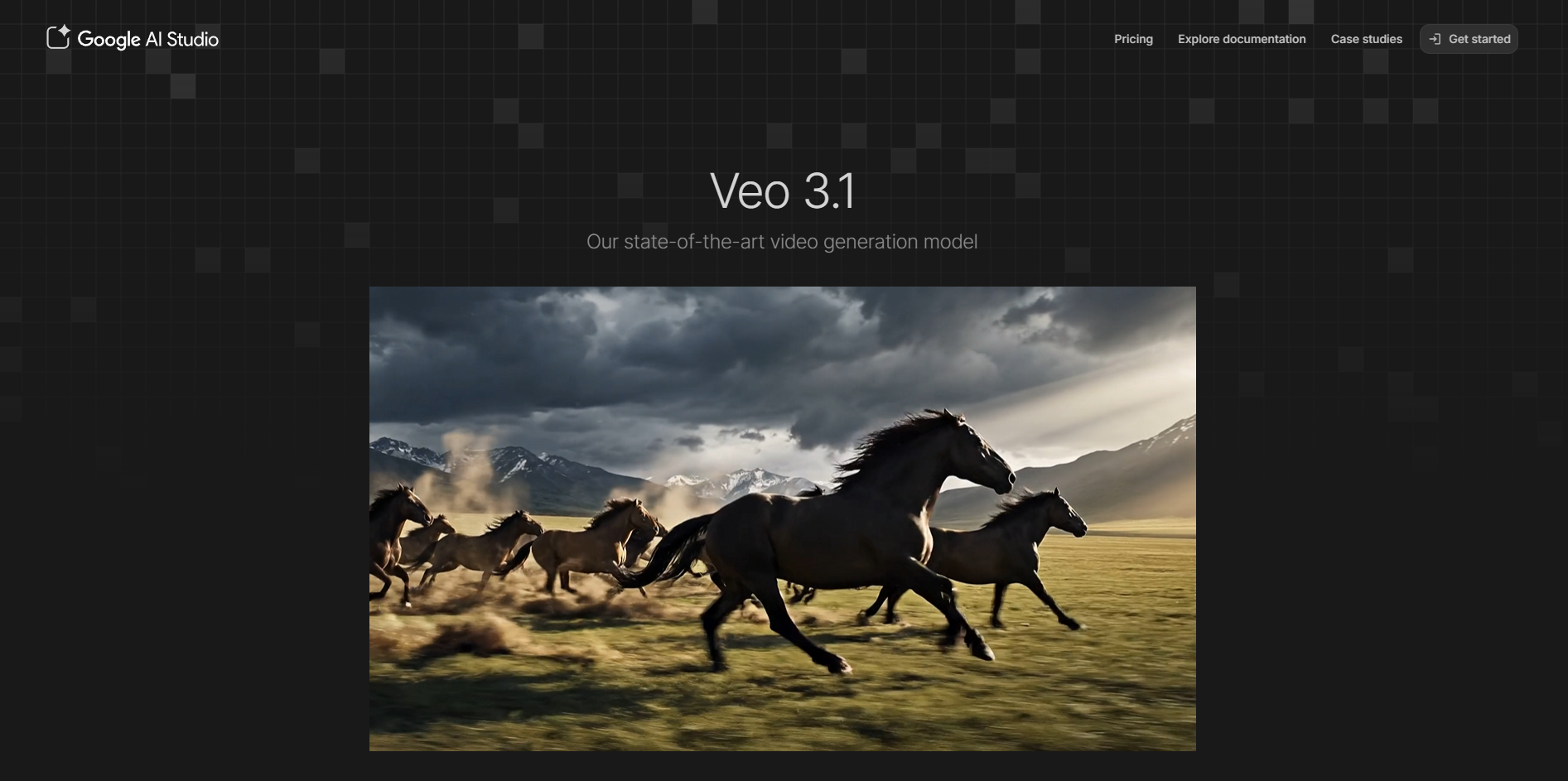
Google Veo 3 is Google’s flagship AI video generation model, developed with a strong focus on realism, motion accuracy, and audio-video synchronization. Veo 3 Fast complements the core model by offering quicker generation times at slightly reduced fidelity.
Unlike many creator tools, Veo is positioned closer to the model layer, with access often routed through enterprise or cloud-based workflows.
Key features
- High-resolution video generation
- Native audio generation and sound synchronization
- Strong motion realism and spatial consistency
- Faster generation option via Veo 3 Fast
Pros
- Excellent video realism and smooth motion
- Integrated audio generation
- Backed by Google’s large-scale infrastructure
Cons
- Less accessible to individual creators
- Limited built-in storytelling or scene structuring tools
- Not designed specifically for short-form social content
Best suited for
- Professional experimentation and research
- Enterprise and studio-level video generation
- Teams integrating AI video into broader pipelines
Veo 3 is a powerful model, but like Sora, it relies on external platforms to make its outputs practical for everyday creators.
4. Seedance (ByteDance)
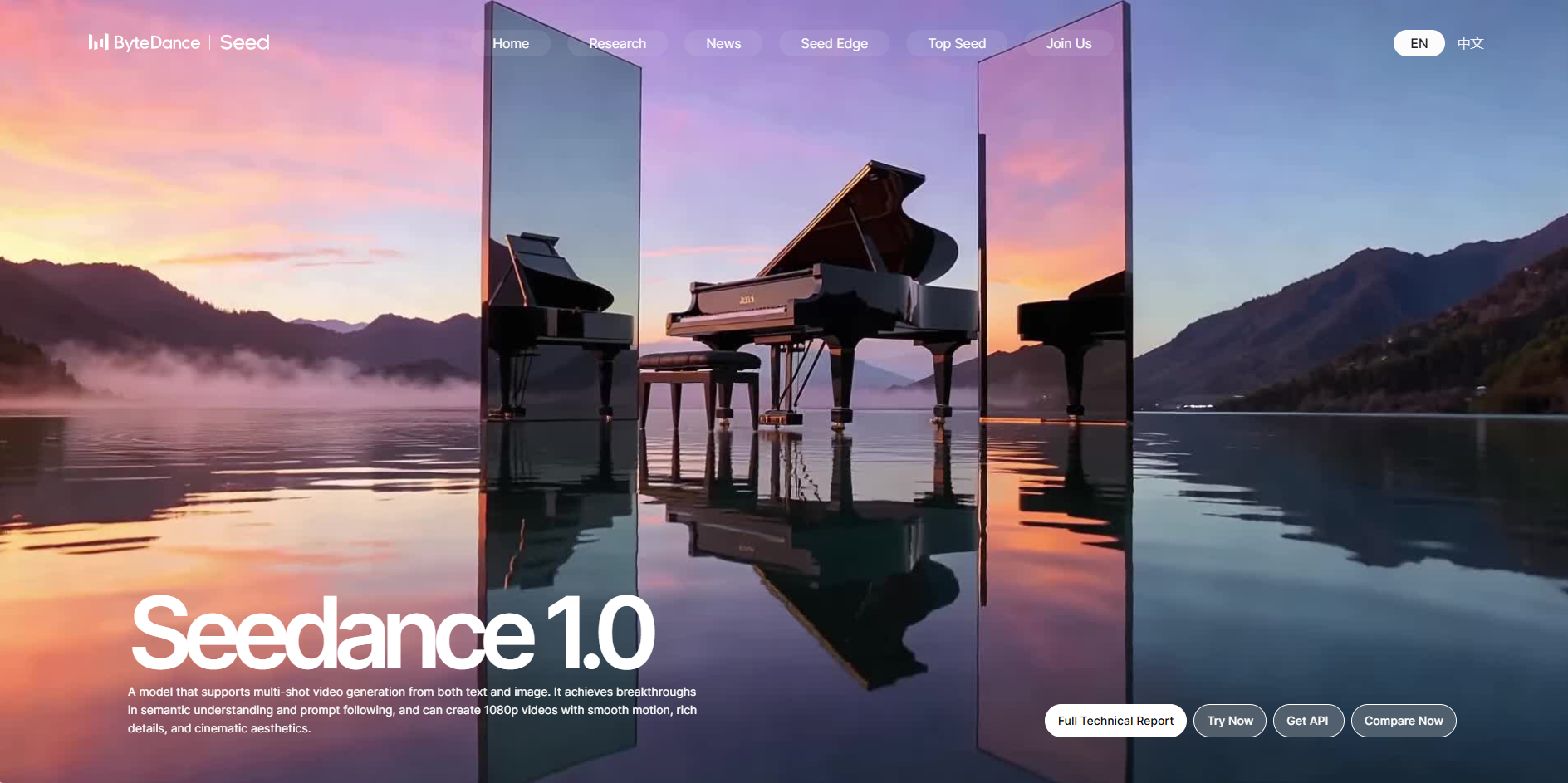
Seedance is ByteDance’s AI video generation model and one of the most significant new entrants in the 2026 landscape. It has gained attention for its ability to generate cinematic-quality video with consistent motion across multiple scenes.
Seedance is especially notable because of ByteDance’s deep understanding of short-form video consumption, which influences how the model handles pacing and visual flow.
Key features
- Text-to-video and image-to-video generation
- Multi-shot and multi-scene continuity
- High-resolution cinematic output
- Ongoing development toward native audio-visual generation
Pros
- Strong motion consistency across scenes
- Designed with short-form storytelling in mind
- Competitive quality compared to top foundation models
Cons
- Limited creator-facing tooling in its raw form
- Availability and access still evolving
- Requires integration into platforms for structured workflows
Best suited for
- Advanced video generation experiments
- Platforms building short-form AI video experiences
- Developers and studios exploring next-gen video models
Seedance highlights a growing trend: the most advanced video models increasingly come from companies deeply connected to social video ecosystems.
5. Runway (Gen-4.5 / Gen-Alpha)
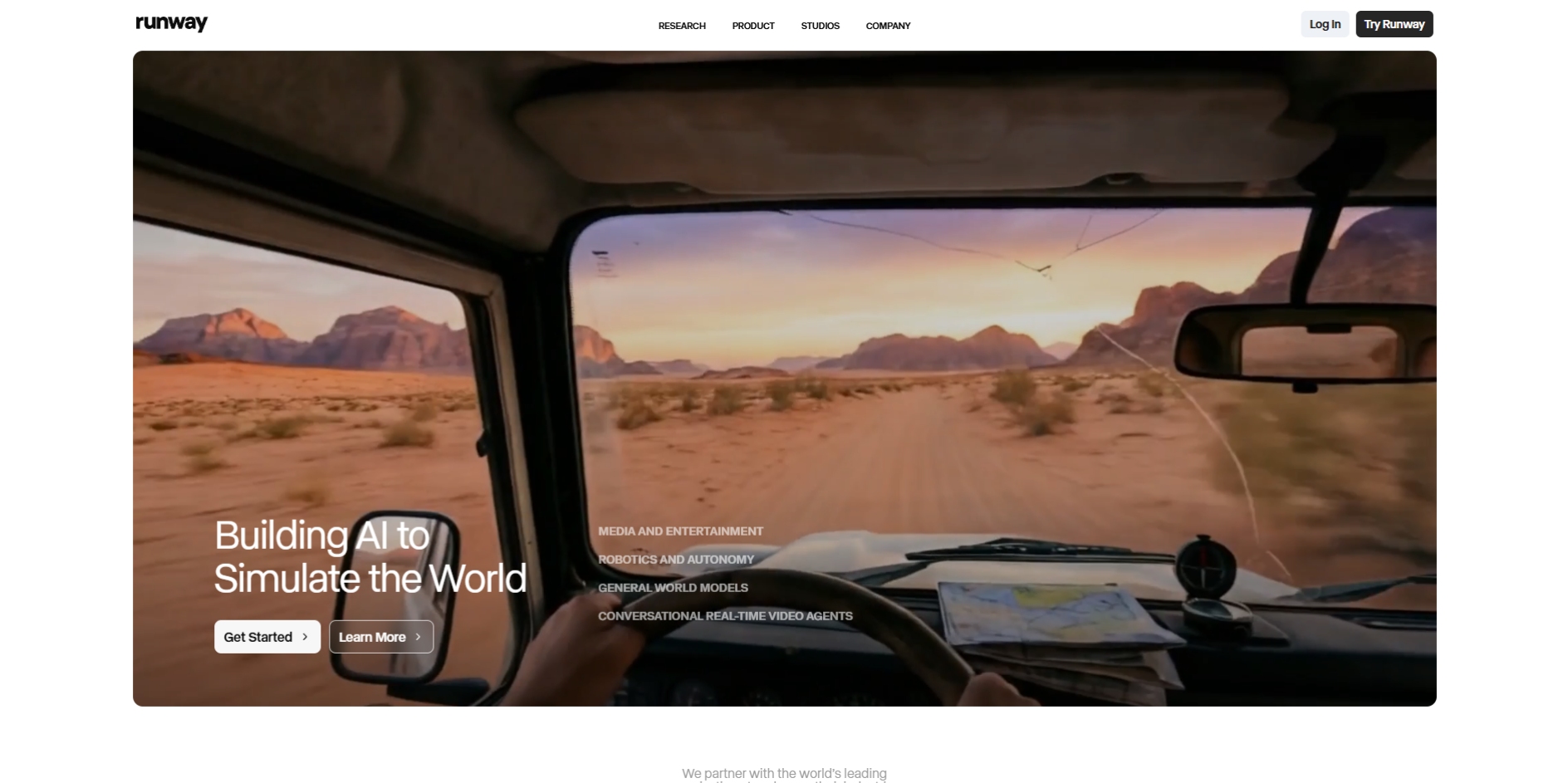
Runway has long been one of the most recognizable names in AI video creation, and by 2026 its Gen-4.5 and Gen-Alpha models remain central to creative experimentation. Unlike foundation-only models, Runway combines generation with editing-style controls, making it popular among designers and creative teams.
Runway sits between raw model capability and creator tooling, offering flexibility at the cost of simplicity.
Key features
- Text-to-video and image-to-video generation
- Advanced motion and camera controls
- Timeline-based editing and compositing tools
- Support for multiple visual styles
Pros
- Strong creative control over generated scenes
- Flexible for experimentation and artistic workflows
- Well-established ecosystem and community
Cons
- Steeper learning curve for non-technical creators
- Not optimized for fast, repeatable social video output
- Vertical and short-form workflows require manual setup
Best suited for
- Designers and creative professionals
- Experimental video projects
- Teams that want fine-grained control over visuals
Runway excels at creativity and control, but it is less focused on speed and publish-ready output compared to social-first platforms.
6. Synthesia
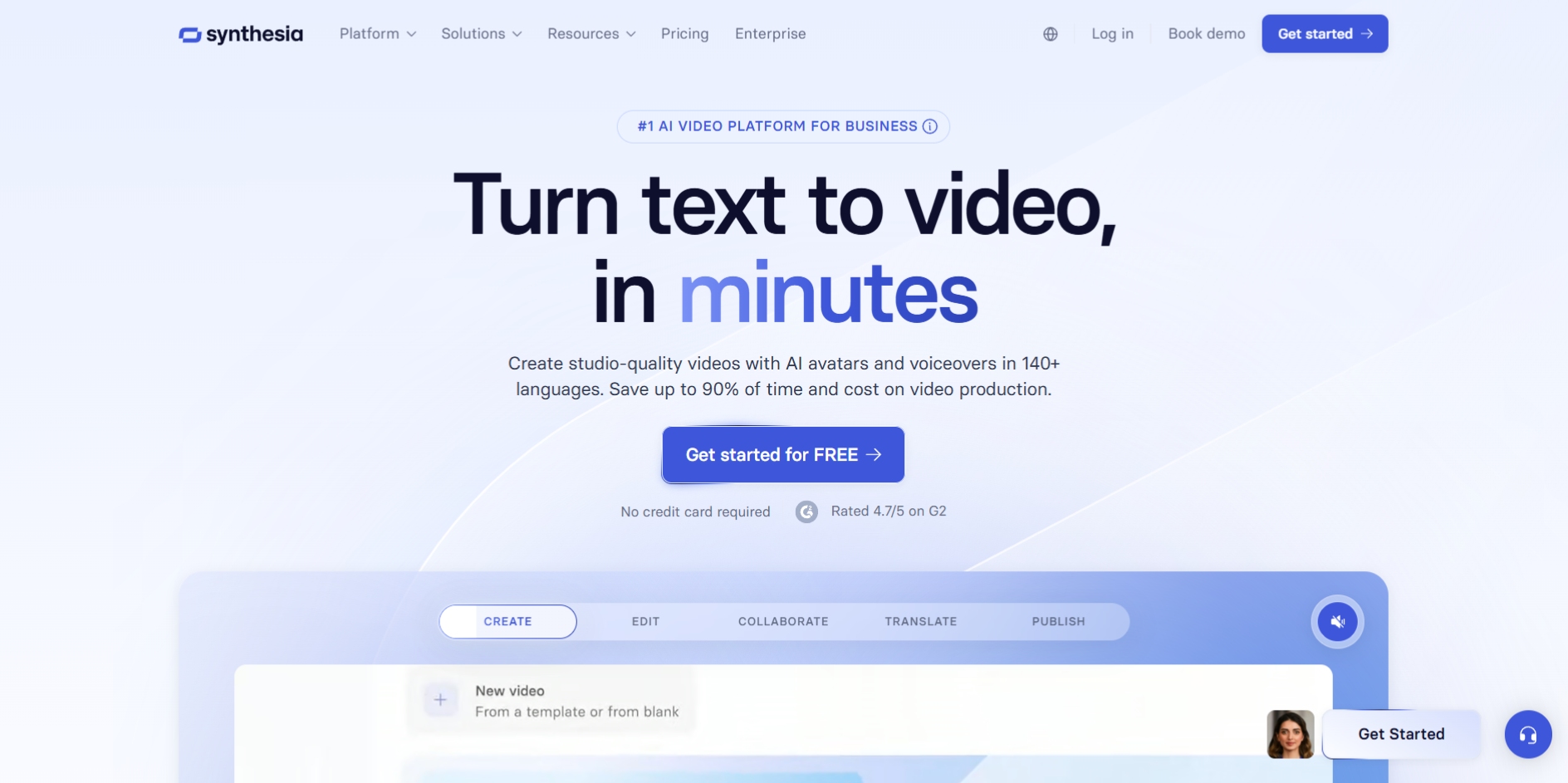
Synthesia approaches AI video generation from a very different angle. Rather than cinematic or story-based video, it focuses on avatar-driven, presenter-style content, making it a dominant platform for enterprise communication and training.
In the context of AI video generation models, Synthesia represents how specialized generation can outperform general tools in specific use cases.
Key features
- AI avatar video generation
- Script-to-video workflows
- Multilingual voice and dubbing support
- Brand and template customization
Pros
- Extremely easy to use
- Strong localization and language support
- Reliable and consistent output
Cons
- Limited creative or cinematic flexibility
- Not designed for storytelling or entertainment
- Less engaging for social-first content
Best suited for
- Corporate training and onboarding
- Product explainers and internal communication
- Instructional and educational videos
Synthesia proves that the “best” AI video model depends heavily on context and intent.
7. Luma Dream Machine
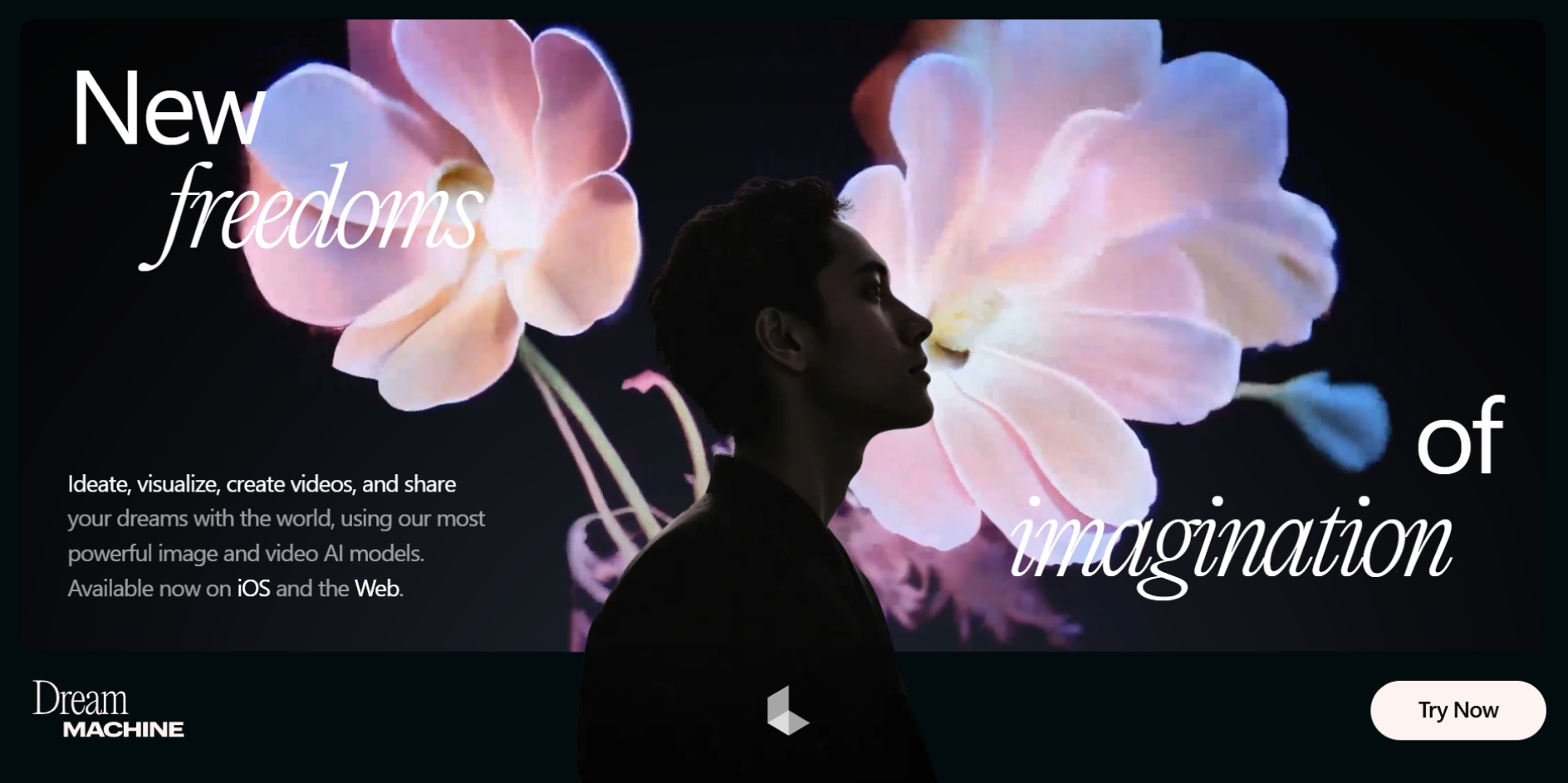
Luma Dream Machine has become one of the most accessible AI video generators for individual creators. It is often praised for how quickly users can generate visually appealing clips with minimal setup.
Luma emphasizes ease of use and rapid experimentation rather than deep workflow control.
Key features
- Text-to-video generation
- Image-to-video animation
- Simple prompt-based interface
- Free and low-cost access tiers
Pros
- Very beginner-friendly
- Fast generation times
- Good visual quality for short clips
Cons
- Limited control over narrative structure
- Short video duration limits
- Less consistency across multiple scenes
Best suited for
- Beginners and casual creators
- Quick visual experiments
- Social clips that don’t require continuity
Luma is ideal for getting started with AI video generation, but it becomes limiting for creators producing serialized or story-driven content.
8. Leonardo AI Video
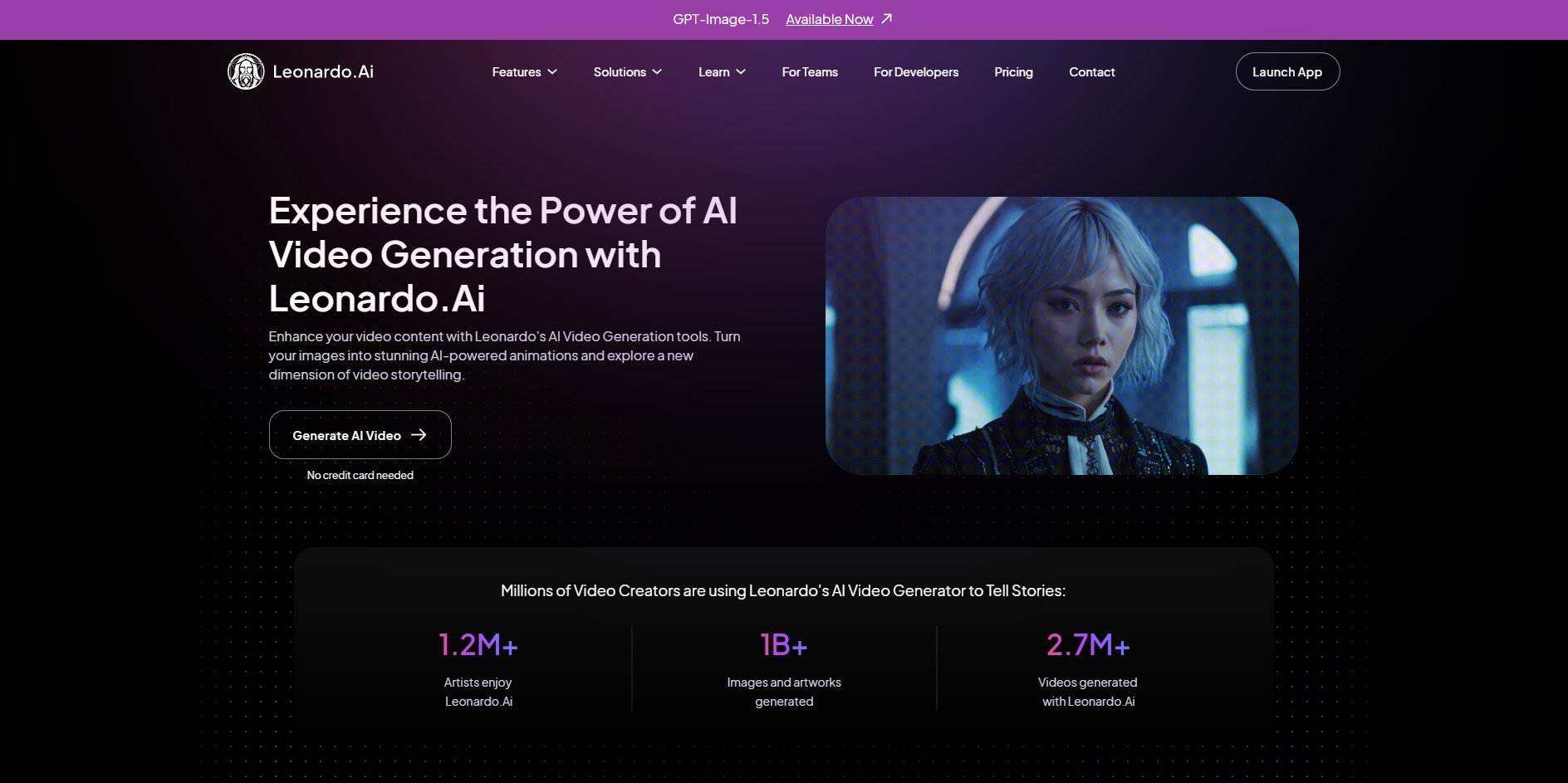
Leonardo AI expanded into video generation after building a strong reputation in image generation and creative control. Its video capabilities focus on style fidelity, visual consistency, and creator customization, rather than long narrative sequences.
Leonardo is often used where visual identity matters more than storytelling structure.
Key features
- Image-to-video and text-to-video generation
- Strong style and aesthetic control
- High-quality character and environment rendering
- Integration with Leonardo’s image generation ecosystem
Pros
- Excellent visual quality and stylistic consistency
- Strong control over character appearance and art direction
- Useful for branded or stylized content
Cons
- Limited storytelling and scene-based workflows
- Shorter video durations
- Not optimized for vertical-first publishing
Best suited for
- Designers and visual creators
- Brand visuals and product shots
- Stylized social clips and animations
Leonardo AI is powerful for aesthetics, but it relies on creators to manage structure and pacing externally.
9. Kling AI
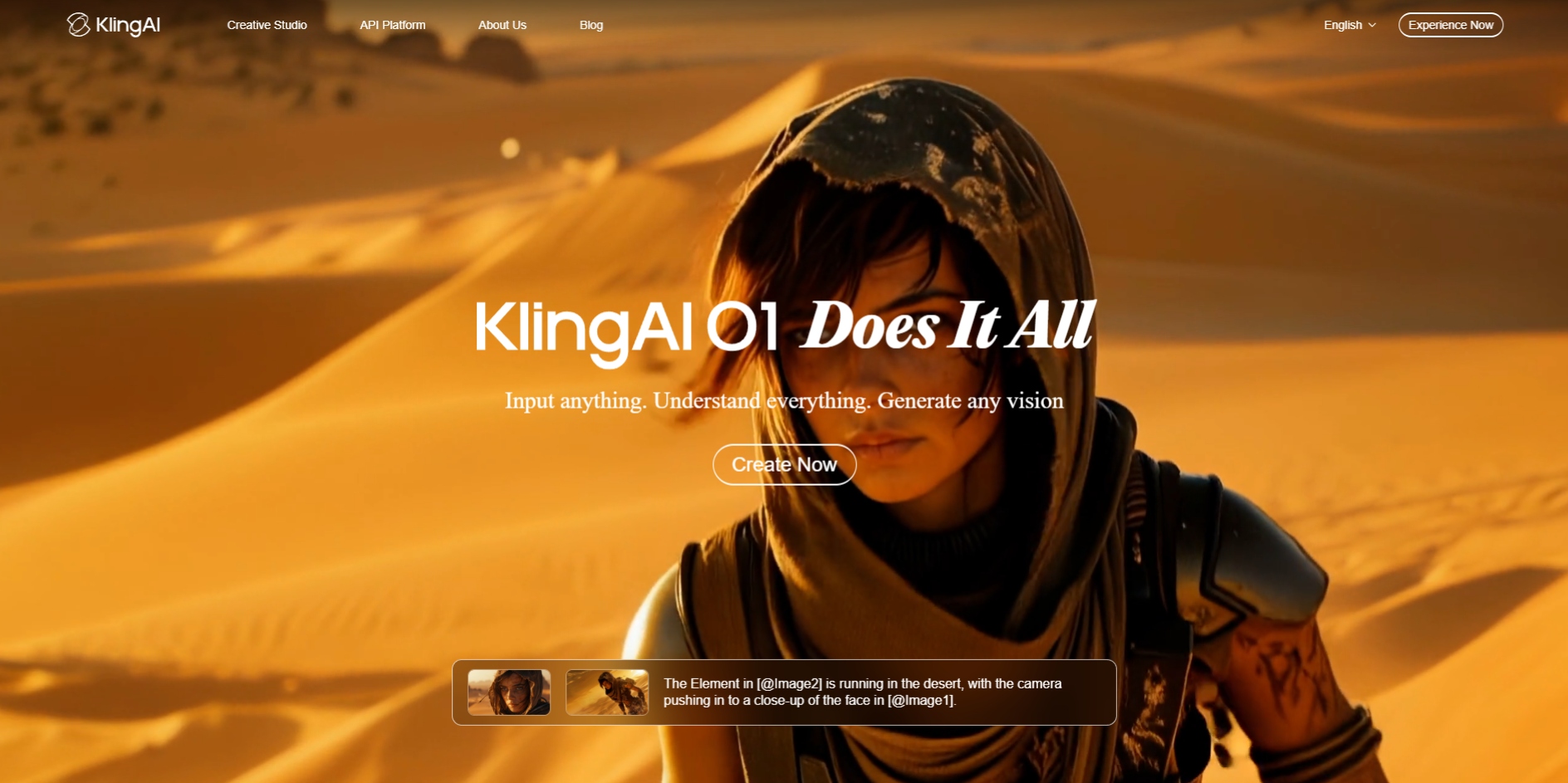
Kling AI gained attention for its ability to generate physically accurate motion and realistic scene dynamics. It is often compared with Sora and Veo for motion realism, particularly in character movement and camera behavior.
Kling leans heavily toward model capability rather than creator workflow.
Key features
- Text-to-video generation
- Strong motion realism and physics handling
- High-quality cinematic outputs
- Focus on detailed scene dynamics
Pros
- Realistic motion and camera behavior
- High visual fidelity
- Competitive with top-tier foundation models
Cons
- Limited creator-facing controls
- Not designed for fast publishing workflows
- Minimal support for short-form storytelling
Best suited for
- Technical demonstrations
- Cinematic experiments
- Evaluating motion realism in AI video
Kling AI shows how far motion modeling has come, but it still depends on platforms to make the output usable at scale.
10. Pika
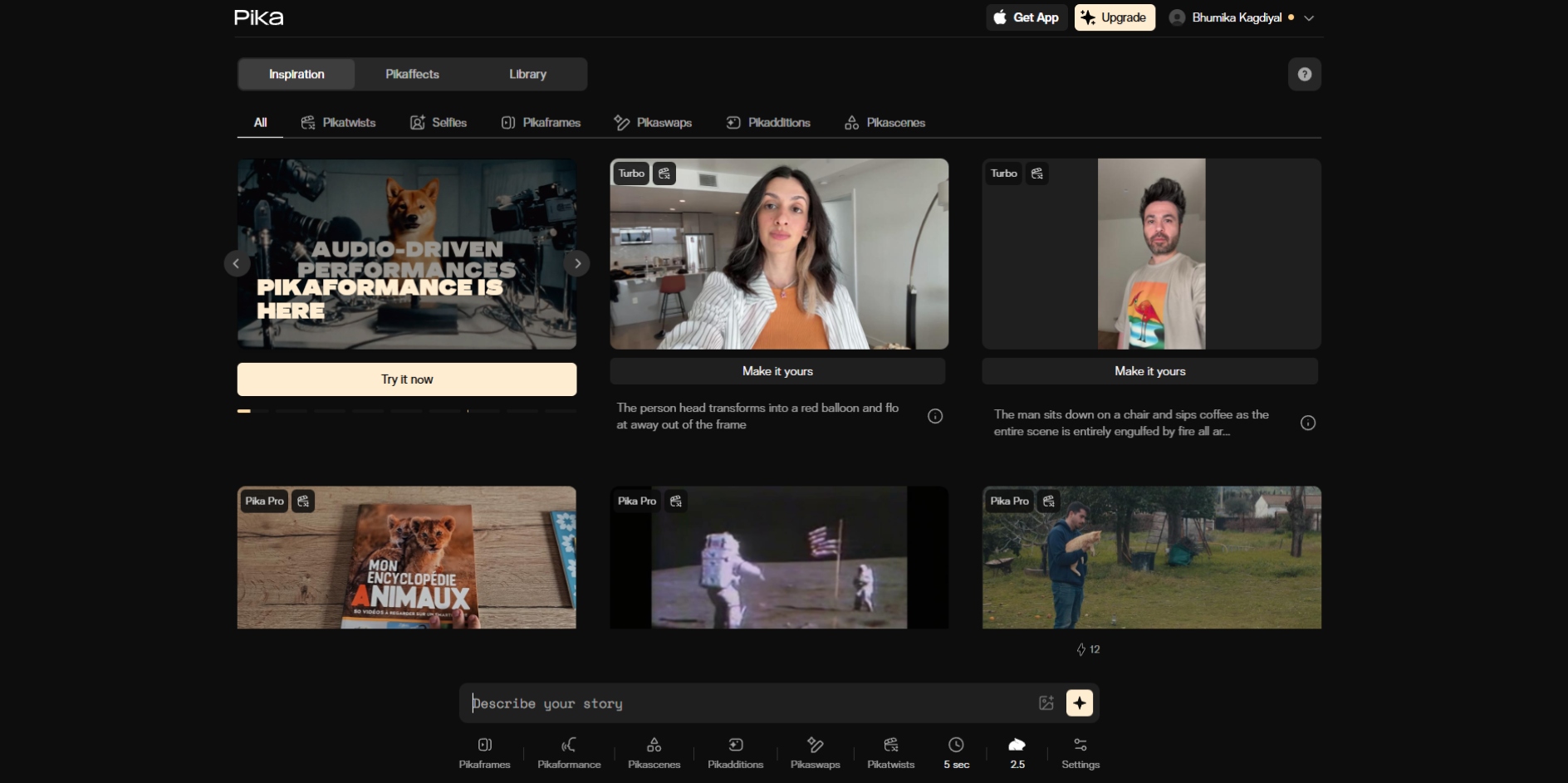
Pika has become a popular choice among creators who want fast, visually engaging AI videos with minimal friction. It prioritizes accessibility and creativity, making it widely adopted for social content experiments.
Pika focuses on ease rather than depth.
Key features
- Text-to-video and image-to-video generation
- Quick prompt-based workflows
- Social-friendly clip generation
- Active creator community
Pros
- Very easy to use
- Fast turnaround times
- Well-suited for casual social content
Cons
- Limited scene continuity
- Less control over pacing and narrative
- Not ideal for serialized or story-based videos
Best suited for
- Social media experimentation
- Quick visual ideas
- Casual creators testing AI video
Pika works well for fast creation, but creators producing consistent formats often outgrow its limitations.
Choosing the Right AI Video Generation Model in 2026
The best AI video generation model depends on how you create, not just how impressive the visuals look.
- If you want raw model power and realism, foundation models like Sora, Veo, Seedance, or Kling lead the way.
- If you need creative control and experimentation, Runway and Leonardo.ai are strong options.
- If you prioritize speed and accessibility, Luma and Pika lower the barrier to entry.
- If your goal is repeatable, short-form, publish-ready video, platforms that combine models with structure matter most.
This is where workflow becomes more important than generation quality alone.
Conclusion
AI video generation models in 2026 are more powerful than ever, but power alone doesn’t guarantee usable content. The real divide is between models that generate impressive clips and platforms that turn those clips into consistent, publishable videos.
As AI video continues to evolve, creators who succeed will be those who choose tools aligned with their format, pace, and audience, not just the most advanced demos.
For creators focused on short-form, vertical, story-driven video, Frameo stands out by turning AI video generation into a structured creation process, not just a one-off experiment.
If you want to move from prompts to polished videos without editing complexity, Frameo is built for exactly that workflow.
Start creating with Frameo today.
Frequently Asked Questions (FAQs)
1. What Are AI Video Generation Models?
AI video generation models are large multimodal systems trained to create video from text, images, or structured prompts, focusing on motion, scene coherence, and visual realism.
2. What Is the Difference Between AI Video Models and Platforms?
AI video models generate video at a technical level, while platforms build workflows, structure, audio handling, and export tools on top of those models for real-world use.
3. Which AI Video Generation Model Is Best in 2026?
There is no single best model. The right choice depends on whether you prioritize realism, creative control, speed, or repeatable short-form publishing.
4. Are AI Video Models Suitable for Social Media Content?
Only when paired with creator-focused platforms. Raw models often lack vertical formatting, pacing control, and repeatable workflows needed for social video.
5. How Should Creators Choose an AI Video Generation Tool?
Creators should start with their publishing goals: short-form vs long-form, frequency, audience, and format, then choose a platform that matches those needs rather than the most advanced model.