How to Create Generative AI Films for Powerful Brand Storytelling
Learn how to create a generative AI film for brand storytelling that captivates audiences, builds emotional connection, and turns ideas into cinematic stories.
A brilliant brand story often starts with a burst of excitement, an idea scribbled in a notebook, a quick voice note, or a late-night message in the team chat. Everyone can picture the scenes clearly: the characters, the emotion, the cinematic moments that could truly move an audience. Then reality steps in, because turning that vision into an actual film usually means expensive shoots, complicated production planning, and weeks of coordination.
Meanwhile, the internet keeps moving at a relentless pace, and audiences decide in seconds whether a video deserves their attention. People no longer stop for polished ads; they pause for stories that feel real, emotional, and visually engaging. Creating those kinds of cinematic narratives consistently, however, can feel overwhelming for creators, founders, and marketing teams trying to move quickly.
That’s exactly where a generative AI film for brand storytelling begins to open new creative possibilities. Ideas that once stayed stuck in documents can now evolve into cinematic stories much faster, helping creators focus on storytelling instead of production hurdles.
Key Takeaways
- Generative AI films help brands turn simple ideas into cinematic stories that capture attention and build stronger emotional connections with audiences.
- Strong brand story films usually follow a clear narrative flow: a relatable character, a meaningful conflict, a transformation, and a memorable resolution.
- AI-assisted tools simplify the filmmaking process by supporting script writing, scene generation, visual consistency, audio integration, and video editing.
- Brands are using AI-driven storytelling to create product narratives, founder journeys, campaign stories, and short-form episodic content for modern digital platforms.
Why Generative AI Films Are Changing Brand Storytelling?
Not long ago, most brand videos followed the same predictable formula: introduce the product, highlight a few features, and end with a call to buy. Today, that approach rarely holds attention because audiences prefer stories that feel real and emotionally engaging.
Brands are slowly realizing that people remember stories far more than traditional advertisements.
1.Ads to Narrative Marketing
Traditional ads talk at the audience, but stories invite them into a moment, a feeling, or a journey. That shift is pushing brands to create narratives that audiences willingly watch instead of instantly skipping.Stories make brands feel human.
2.Video Builds Emotional Connection
Video naturally blends visuals, voice, music, and pacing in a way that pulls people into the story. When done right, viewers don’t feel like they are watching marketing; they feel like they are watching something meaningful.Emotion is what keeps people watching.
3.Removing Production Barriers
Producing cinematic brand videos used to demand large budgets, professional crews, and weeks of production planning. Generative AI is changing that by making high-quality storytelling possible without complex production setups.Now, great stories can be created much faster.
Generative AI filmmaking helps brands achieve:
- Lower production costs — cinematic storytelling without heavy production budgets
- Faster experimentation — test multiple story ideas without long production timelines
- Scalable storytelling — create many narrative variations for different campaigns
- Personalized content — tailor stories for specific audiences or platforms
Next, it helps to understand what actually makes a generative AI film different from a traditional brand video or advertisement.
Suggested Read: Future of Content Creation: 2026 Trends & Predictions
What Is a Generative AI Film for Brand Storytelling?
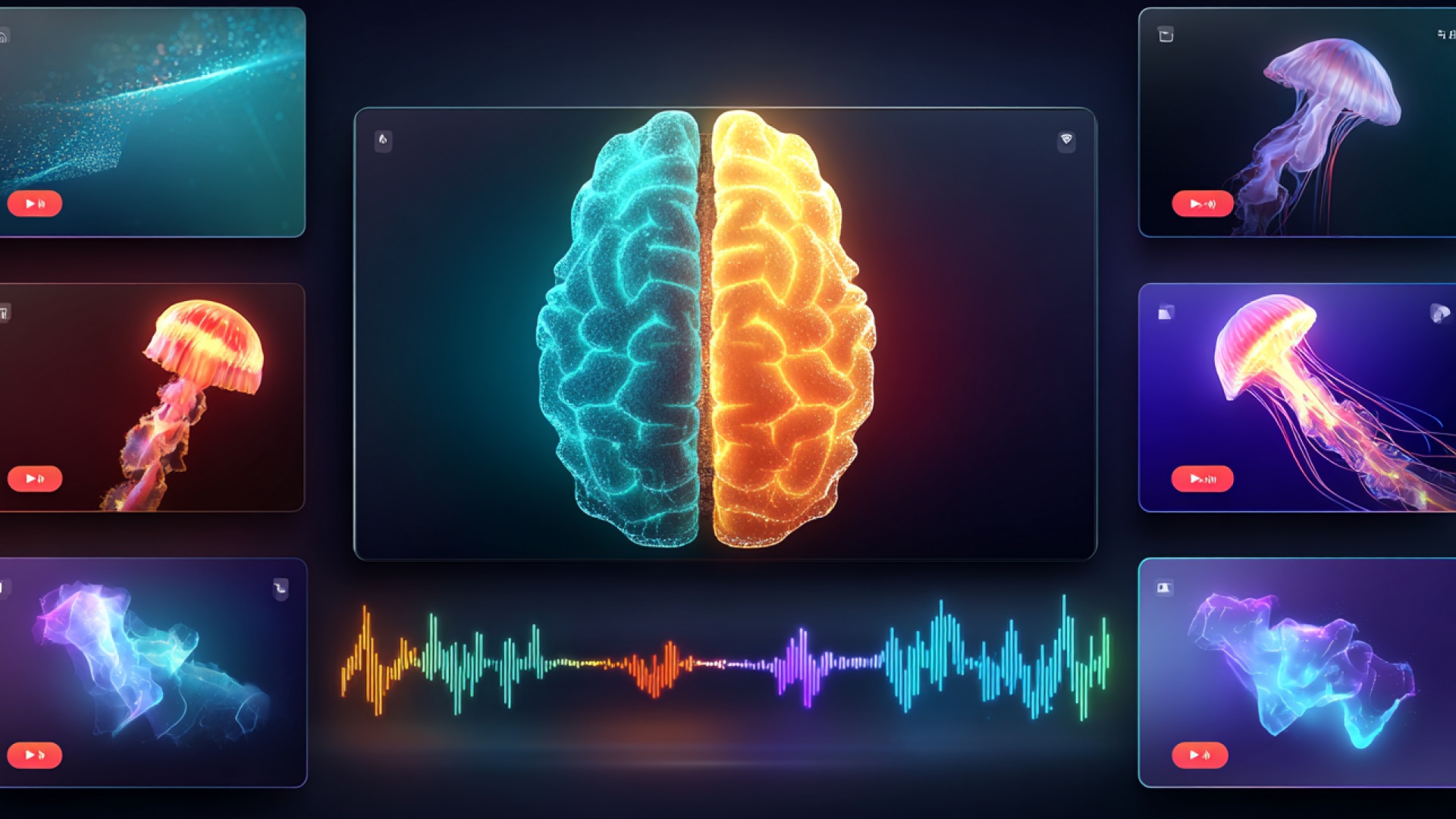
A generative AI film for brand storytelling is a narrative-driven video created with the help of AI tools that assist in writing, visual creation, and video production. Instead of producing a simple promotional clip, it helps brands turn ideas into cinematic stories that audiences actually want to watch.
Think of it as combining storytelling with AI-powered production workflows.
1.AI-Assisted Script Writing
Most brand stories start with a simple idea, maybe a campaign message, a product insight, or a character concept. AI can help expand that idea into a structured script that includes scenes, narration, and storytelling flow.This makes it much easier to move from a rough thought to a complete narrative.Typical AI script support includes:
- Turning prompts or story ideas into structured scripts
- Expanding short concepts into scene-based storytelling
- Suggesting dialogue, narration, or story pacing
- Maintaining narrative consistency across scenes
2.AI-Generated Visuals
Once the script is ready, AI tools generate visuals that match each scene in the story. These visuals can include characters, environments, and moods designed to align with the narrative.This keeps the story visually consistent from beginning to end.AI visual generation typically helps with:
- Creating characters that remain consistent across scenes
- Designing environments that match the story setting
- Maintaining a consistent visual style throughout the video
- Producing cinematic shots that match the script
3.Automated Editing
Editing is usually one of the most time-consuming parts of video production. Generative AI simplifies this by automatically assembling scenes, audio, and transitions into a finished video.The process becomes faster without sacrificing storytelling flow.AI editing can assist with:
- Arranging scenes in the correct narrative order
- Adding transitions between shots
- Syncing audio, voiceovers, and music
- Adjusting pacing to improve engagement
4.Narrative-Driven Video Production
The biggest difference between a generative AI film and a regular marketing video is the focus on storytelling. Instead of creating a quick promotional clip, the entire video is designed around a narrative.Every scene exists to move the story forward.
5.AI Film vs AI Video Clip
Many AI video tools focus on generating short visuals or experimental clips. A generative AI film, however, is built around storytelling structure and cinematic presentation.This is what makes the format powerful for brand storytelling.An AI film focuses on:
- Narrative arc — a clear beginning, conflict, and resolution
- Characters — people or personas that carry the story forward
- Emotional storytelling — moments that audiences connect with
- Cinematic visuals — scenes designed to feel like a film
Because of this storytelling-first approach, generative AI films feel less like advertisements and more like experiences, something that audiences are far more likely to watch and remember.
Suggested read: AI-Generated Content Governance Best Practices (2026 Guide)
The Anatomy of a Powerful Brand Story Film
Most memorable brand films follow a simple storytelling pattern that keeps viewers emotionally engaged from beginning to end. When this structure is clear, creating a generative AI film for brand storytelling becomes much easier and more purposeful.
Let’s look at the core elements that make a brand story feel cinematic and engaging.
1.A Strong Opening Hook
- Grab attention within the first few seconds
- a surprising moment
- a visually striking scene
- a relatable situation
- Create curiosity instead of explaining everything immediately
- let viewers wonder what happens next
- build intrigue through visuals or action
2.A Relatable Character
Introduce someone the audience can connect with
- a creator
- a founder
- a customer persona
- Make the character feel authentic
- clear goals
- recognizable challenges
3.A Clear Conflict
- Show a challenge that drives the story forward
- a common frustration
- a problem worth solving
- Build emotional tension
- What’s at stake for the character
- Why solving the problem matters
4.A Transformation
- Introduce the solution naturally within the story
- The brand appears as part of the journey
- The change starts becoming visible
- Focus on the impact of the solution
- progress
- improvement
- relief
5.A Memorable Resolution
- Show how the character’s situation improves
- problem resolved
- goal achieved
- Leave the audience with a clear emotional takeaway
- inspiration
- hope
- satisfaction
When these elements work together, the video feels like a story rather than a promotional message.
Suggested read: Gen AI in Advertising: Top Benefits and Use Cases
How to Actually Create a Generative AI Film for Brand Storytelling?
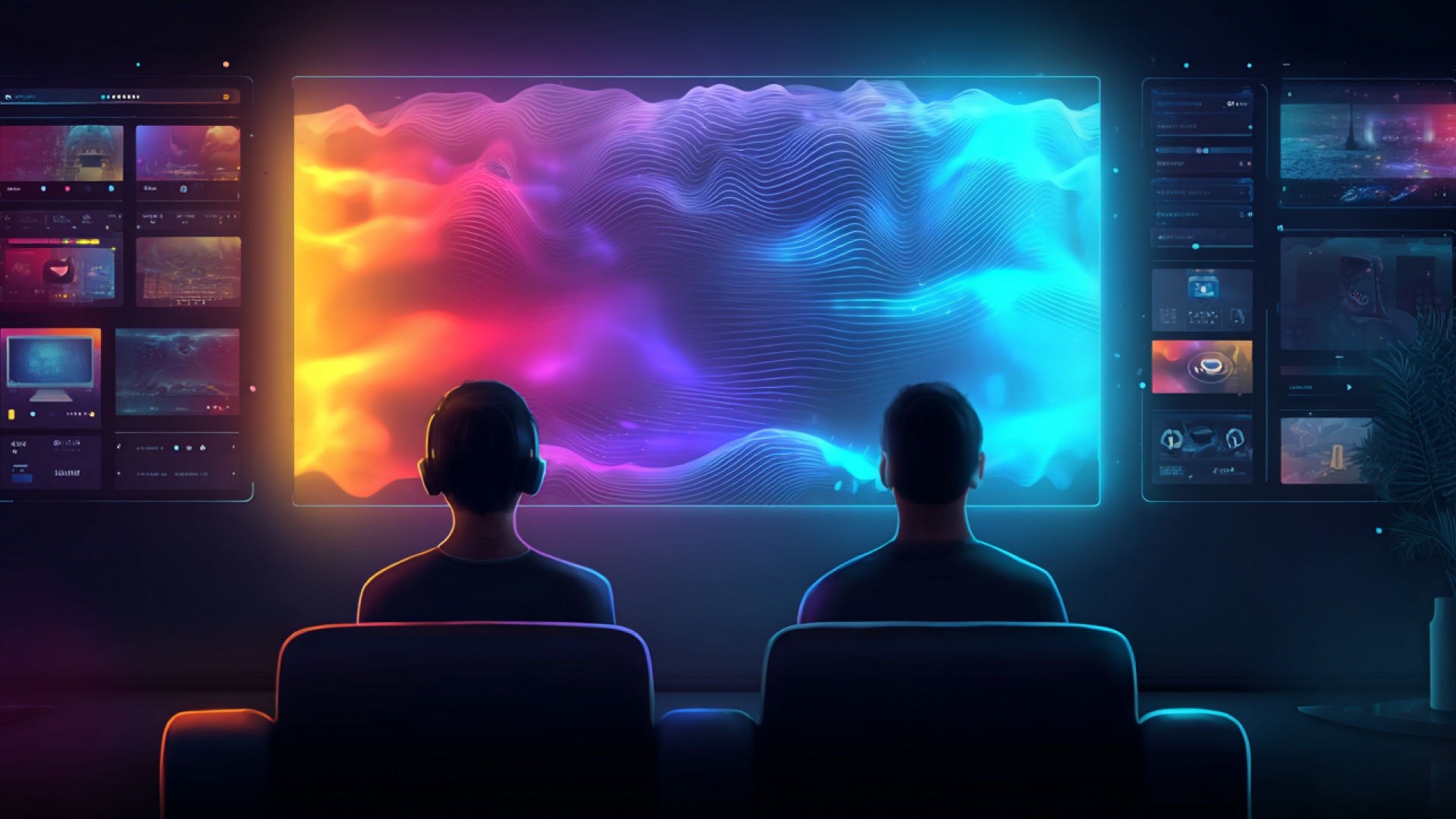
Creating a generative AI film for brand storytelling is less about technology and more about structuring a compelling narrative that audiences care about. Once the story is clear, AI tools simply help accelerate the process of turning that narrative into a cinematic video.
The workflow usually follows a sequence, from shaping the story idea to assembling the final video experience.
Step 1: Start With the Core Story Idea
Every strong brand film begins with a simple story idea rather than a product message. The goal here is to identify a situation that your audience immediately understands or relates to.
- Define the central theme of the story
- a problem your audience faces
- a journey someone goes through
- a transformation that reflects your brand
- Focus on emotional relevance instead of product features
- frustration before discovering a solution
- curiosity about a new possibility
- confidence after overcoming a challenge
- Example
- A productivity app builds a story around a freelancer struggling to manage deadlines before discovering a simpler workflow.
Step 2: Shape the Story Into Scenes
Once the idea is clear, the next step is structuring the narrative into scenes that visually move the story forward. Instead of long explanations, short visual moments work much better for brand storytelling.
- Break the story into a simple narrative arc
- Introduction of the character
- the challenge they face
- discovery of a new solution
- transformation or positive outcome
- Think in terms of scenes rather than paragraphs
- What the audience sees first
- how the situation evolves
- What changes at the end
- Example story flow
- Scene 1: A creator juggling multiple projects and missing deadlines.
- Scene 2: Growing frustration with chaotic workflows.
- Scene 3: Discovering a tool that simplifies their process.
- Scene 4: Calm, organized work environment and improved productivity.
Step 3: Design Characters and Visual Identity
Characters make the story feel human and relatable, even in short-form videos. At the same time, a consistent visual style helps the story feel cinematic rather than random.
- Define the visual identity of the film
- overall tone (warm, dramatic, futuristic)
- color palette and lighting style
- visual atmosphere that reflects the brand
- Create characters that match the narrative
- appearance that fits the story setting
- personality traits visible through actions
- visual consistency across scenes
- Example
- A travel brand film may use warm sunset tones and wide scenic shots to highlight freedom and exploration.
Step 4: Generate Cinematic Scenes
Now the script and visual direction begin transforming into actual video scenes. AI video tools help convert scene descriptions into visuals that follow the story structure.
- Generate scenes shot by shot
- wide establishing shots to set the context
- mid-shots showing action
- close-ups capturing emotional reactions
- Maintain visual continuity across scenes
- characters remain recognizable
- environments stay consistent
- lighting and style remain stable
- Example
- A fitness brand story shows a character waking up tired, gradually building a healthier routine, and finishing with renewed energy.
Step 5: Add Voice, Sound, and Emotional Tone
Audio elements shape how viewers emotionally experience the story. Even simple narration or background music can dramatically change how the film feels.
- Add voice narration when needed
- short lines guiding the story
- reflective or motivational tone
- Layer sound elements that support the narrative
- background music matching the mood
- subtle ambient sounds that create realism
- Example
- A calm piano track accompanying a story about personal growth can reinforce the emotional tone.
Step 6: Assemble and Refine the Final Film
The final stage focuses on shaping the video so the story flows naturally from beginning to end. This is where pacing, transitions, and overall storytelling clarity come together.
- Adjust pacing to maintain viewer attention
- keep scenes concise
- remove moments that slow the story
- Ensure the narrative payoff feels satisfying
- The character’s transformation is visible
- The brand’s role feels natural rather than forced
- Example
- Ending the film with the character confidently sharing their success with others, reinforcing the brand message subtly.
When this workflow is followed, the result is not just another marketing video but a cinematic story that audiences can connect with emotionally.
Tip: If you want to see this workflow in action, try using Frameo’s script-to-video tool to quickly turn a simple story idea into a cinematic video and experiment with different narrative directions.
Suggested read: How to Create an AI Character Video
How Brands Use Generative AI Films in Marketing?
Brands are beginning to experiment with generative AI films to tell stories in ways that were previously expensive or time-consuming to produce. Instead of relying only on traditional ad formats, they are using AI-driven storytelling to create engaging narratives across digital platforms.
Here are some of the most common ways brands are already using generative AI films in their marketing campaigns.
- Product Origin Stories: Brands create cinematic narratives showing how a product idea came to life, highlighting the journey rather than simply presenting features.
- Founder or Brand Journey: Companies turn the story of their founders or early struggles into short films that help audiences connect emotionally with the brand.
- Customer Transformation Stories: Instead of testimonials, brands produce short narrative films that show how a customer’s life or workflow improves after discovering a solution.
- Campaign-Based Storytelling: Marketing campaigns are structured like mini films where each video explores a part of a larger narrative rather than acting as a standalone advertisement.
- Short-Form Episodic Content: Brands release multiple short videos that continue the same story, encouraging audiences to return for the next episode.
- Concept Testing for Campaign Ideas: Marketing teams use generative AI films to quickly visualize and test different storytelling concepts before investing in large-scale production.
These examples show how generative AI films are helping brands move beyond simple promotions and start building stories that audiences actually enjoy watching.
Best Practices for Creating High-Impact AI Brand Films
Creating a compelling AI brand film isn’t only about generating visuals quickly; the real impact comes from how thoughtfully the story is shaped and presented. When storytelling, pacing, and emotional clarity come together, the film feels authentic rather than promotional.
Keeping a few practical best practices in mind can make a noticeable difference in how audiences respond to your brand story.
- Story First, Technology Second: Always start with a clear narrative idea before thinking about visuals or effects.
- Keep the Narrative Simple: Short-form brand films work best when the story focuses on one character, one challenge, and one transformation.
- Design Visual Consistency: Maintain the same character appearance, setting style, and tone across scenes to avoid breaking immersion.
- Prioritize Emotional Moments: Viewers remember how a story made them feel more than the technical details of the video.
- Optimize for Mobile Viewing: Use clear framing, strong visuals, and concise scenes so the story works well on smaller screens.
- Experiment With Story Variations: Test different narrative angles, hooks, or endings to see which version resonates most with audiences.
Following these practices helps ensure that AI-generated brand films feel intentional, cinematic, and emotionally engaging rather than automated or generic.
Turn Your Brand Story Into a Film with Frameo
Great brand stories deserve more than static posts or short promotional clips; they deserve to be experienced like a film. Frameo helps creators, marketers, and storytellers move from a simple idea to a cinematic video using an AI-driven storytelling workflow designed specifically for narrative content.
Instead of juggling multiple tools, Frameo brings the entire storytelling pipeline into one place.
- From Idea to Script: Use the AI Script Writer and AI Storyboarder to shape raw concepts into structured storylines and scene-ready scripts.
- From Script to Visual Story: Turn those scripts into cinematic videos using the AI Video Generator, Script to Video Maker, or Story to Video Maker.
- Build Engaging Visual Content: Generate scenes with the AI Image Generator, refine them with the AI Video Editor, and add dynamic elements like Voiceover, AI Voice Generator, or Face Swap.
- Create Content for Every Platform: Produce videos optimized for YouTube Shorts, Instagram Reels, TikTok, and social media campaigns using specialized video generators.
- Support Multiple Creative Use Cases: Frameo helps creators produce AI video ads, UGC videos, trailers, music videos, training videos, infographic videos, podcasts, and even anime-style storytelling content.
Whether you’re a filmmaker experimenting with new storytelling formats, a digital marketer building narrative campaigns, or a creator producing short-form content, Frameo gives you the tools to move from story idea to finished film faster than traditional production workflows allow.
If you’re ready to bring your brand stories to life, explore Frameo’s ready-to-use templates and start turning your ideas into cinematic videos today.
Wrapping Up
Creating cinematic brand stories no longer needs large crews, complex production setups, or months of planning. With the right storytelling approach and the support of generative AI tools, creators and marketing teams can now turn simple ideas into engaging films much faster and with far fewer barriers.
The real opportunity lies in focusing on meaningful narratives while letting technology handle the heavy lifting of production.
Ready to turn your ideas into cinematic stories? Try Frameo’s AI-powered storytelling tools and explore their templates to start creating your own brand films.
FAQs
1.What is generative AI in video marketing?
Generative AI in video marketing refers to using AI tools to automatically create videos from text, scripts, or prompts, helping brands produce content faster and at lower cost. AI systems can generate visuals, edit scenes, and assemble videos automatically.
2.Can generative AI create full videos from text prompts?
Yes, modern generative AI systems can convert simple text prompts into complete videos by generating scripts, visuals, audio, and editing sequences within one workflow.
3.Is AI-generated video suitable for marketing campaigns?
Yes, many brands use AI-generated videos for social media campaigns, promotional content, and storytelling because they allow faster experimentation and scalable content production.
4.Do AI-generated videos replace human creativity?
No, AI typically works as a creative assistant rather than a replacement. Human input is still important for shaping narratives, ensuring authenticity, and maintaining emotional storytelling.
5.Are there limitations to generative AI video creation?
Yes, current AI video systems can face challenges such as maintaining long narrative consistency, ensuring realistic motion, and avoiding bias or misinformation in generated content.