Google Veo 3.1 Enhances AI Video Feature for Social Media
Latest Google Veo 3.1 news: new vertical 9:16 video generation, improved Ingredients to Video, and 1080p/4K upscaling across Gemini and more.
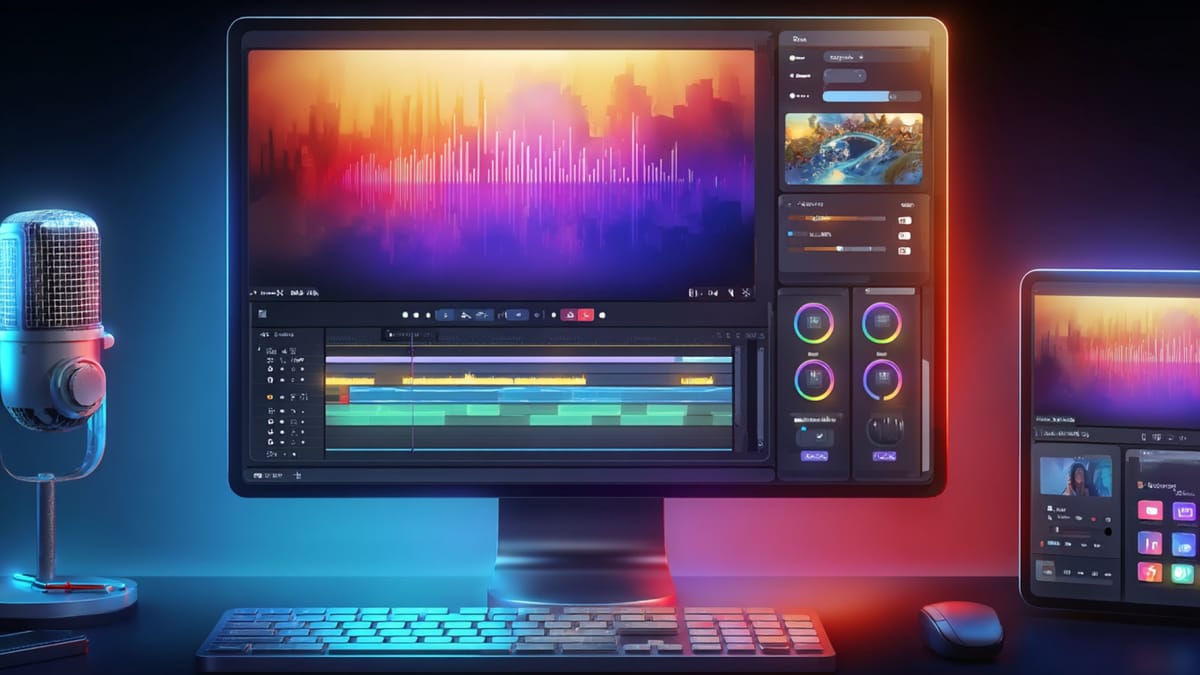
Google has officially rolled out a major update to its AI video generation model with the Veo 3.1 release, marking one of the most significant steps forward in AI-powered video creation in 2026. The update introduces native vertical video generation, expanded Ingredients-to-Video capabilities, and notable improvements in output quality and consistency.
This announcement positions Veo 3.1 as a more practical model for social-first creators, marketers, and developers, not just a research-grade AI system. With these changes, Google is clearly signaling its intent to make AI video generation usable at scale across consumer apps, creator tools, and enterprise workflows.
TL;DR / Key Takeaways
- Veo 3.1 marks Google’s shift from research demos to creator-ready video generation. Native vertical output and reference-based generation directly address real publishing workflows.
- Vertical 9:16 support removes a major bottleneck. AI videos can now be generated platform-ready for Shorts, Reels, and TikTok without reframing or editing.
- Ingredients to Video is the real upgrade. Improved character, object, and style consistency makes Veo more viable for brands and recurring formats.
- Higher-quality output expands reuse. Cleaner 1080p generation and optional 4K upscaling enable AI video to move beyond experimental use.
- Models still need workflow layers. Veo 3.1 improves generation, but creators still rely on structure, pacing, and publishing tools to scale content.
Google Veo 3.1 Announcement: A Quick Overview
The Google Veo 3.1 announcement, made in mid-January 2026, focuses on three major upgrades:
- Native 9:16 vertical video support
- A smarter and more flexible Ingredients to Video system
- Enhanced output quality, including improved 1080p generation and optional 4K upscaling
Together, these updates move Veo beyond experimental demos and closer to real-world content production. Instead of asking creators to adapt AI outputs to modern platforms, Veo 3.1 adapts directly to how video is consumed today.
What’s New in the Google Veo 3.1 Release
1. Native Vertical Video Generation (9:16)
One of the most requested features is finally here. With Veo 3.1, Google now supports native vertical video generation without cropping or post-processing.
Creators can generate videos directly in 9:16 aspect ratio, making outputs immediately usable for:
- YouTube Shorts
- Instagram Reels
- TikTok
- Other mobile-first platforms
This change alone significantly reduces friction in AI video workflows. Previously, AI-generated videos often required manual reframing or editing to fit vertical formats. Veo 3.1 eliminates that step entirely.
2. Smarter “Ingredients to Video” Generation
The Ingredients to Video feature has been expanded and refined in Veo 3.1. This system allows users to provide reference images, such as characters, objects, or environments, and have Veo generate videos that incorporate those elements consistently.
With the 3.1 update, Google has improved:
- Character consistency across scenes
- Object and texture reuse, even when the setting changes
- Prompt understanding, allowing simpler instructions to produce richer results
This makes Veo 3.1 better suited for brand content, character-driven stories, and episodic formats where visual identity needs to remain stable.
3. Improved Video Quality and Upscaling
Google Veo 3.1 also introduces noticeable upgrades to visual quality. The model now produces cleaner, sharper 1080p output, and in supported workflows, offers 4K upscaling.
While the core generation still operates at high definition, the upscaling option allows creators to repurpose AI-generated videos for higher-resolution platforms or professional post-production pipelines.
This is particularly relevant for:
- Marketers creating reusable ad assets
- Creators repurposing short videos across platforms
- Teams integrating AI video into larger production workflows
Google Veo 3.1 Update News: Where You Can Use It Today
One of the most important aspects of the Google Veo 3.1 release is that it’s not limited to a single demo environment. Google is rolling Veo 3.1 out across multiple products, making it accessible to different types of users.
Availability across Google’s ecosystem
As of this update, Veo 3.1 is being deployed across:
- Gemini (consumer app)
Users can generate AI videos directly from text prompts or reference images inside Gemini, including vertical 9:16 videos. - Gemini API and Google AI Studio
Developers can integrate Veo 3.1 into applications, enabling programmatic video generation workflows. - Vertex AI
Enterprise and production teams can access Veo 3.1 for higher-scale, controlled deployments. - YouTube and creator tooling (gradual rollout)
Google has indicated deeper integration with creator-facing tools like YouTube Shorts and related video creation surfaces, aligning Veo’s output with where content is actually published.
This broad rollout is a key part of the google veo 3.1 news today narrative. Google is not treating Veo as an isolated research model, but as a foundational capability embedded across its platforms.
Google Veo 3.1 Flow Announcement and Flow Updates
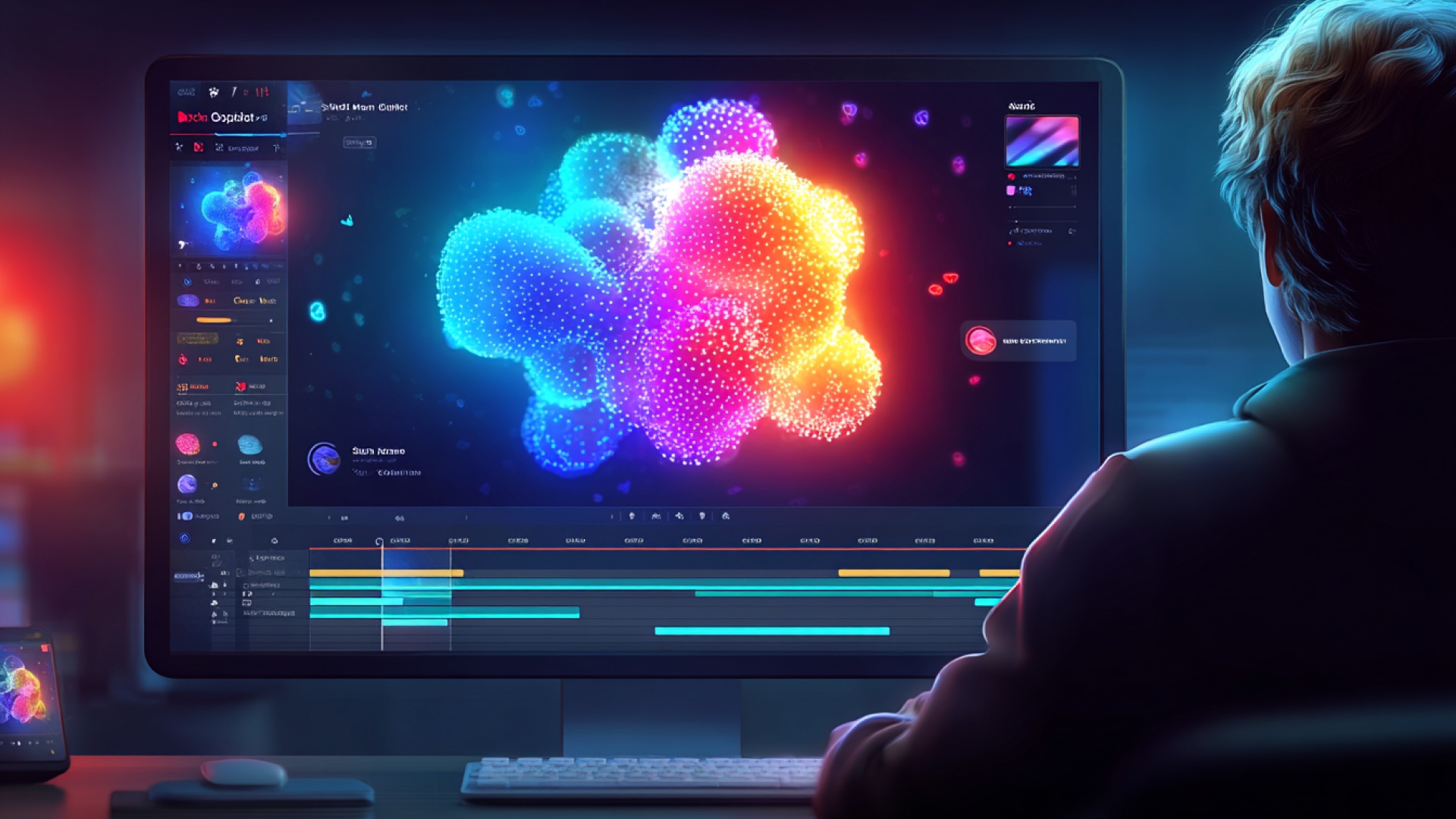
Another major part of the update is how Veo 3.1 fits into Flow, Google’s AI-powered filmmaking and video creation workflow.
What Flow is designed for
Flow acts as a higher-level environment for:
- Structuring AI-generated videos
- Managing shots and sequences
- Refining outputs beyond a single prompt
With Veo 3.1 integrated into Flow, creators gain more control over how AI-generated clips fit together, rather than treating each generation as a standalone output.
What’s new with Veo 3.1 in Flow
The google veo 3.1 flow updates focus on:
- Better handling of reference images inside multi-shot projects
- Improved consistency when extending or refining scenes
- More predictable framing and composition across generated clips
This makes Flow particularly useful for:
- Brand storytelling
- Episodic content
- Projects that require visual continuity across multiple shots
While Veo itself handles generation, Flow provides the structure that many creators need to turn clips into cohesive videos.
Why the Veo 3.1 Update Matters for Creators
The Veo 3.1 update is important not because it adds one flashy feature, but because it removes friction from real creator workflows.
1. Vertical-first creation is no longer optional
By adding native 9:16 support, Google acknowledges that most video content today is:
- Watched on mobile
- Consumed in short-form feeds
- Published across multiple social platforms
Creators no longer need to adapt AI output to social formats after generation. The format is correct from the start.
2. Reference-based generation enables consistency
The improved Ingredients to Video system allows creators to reuse characters, products, or environments across videos. This is especially valuable for:
- Brand campaigns
- Character-driven series
- Recurring short-form formats
Consistency has been one of the biggest weaknesses of AI video generation. Veo 3.1 directly addresses that gap.
3. Higher-quality output enables reuse
With cleaner 1080p output and optional 4K upscaling, AI-generated videos can now be:
- Repurposed across platforms
- Used in higher-end marketing contexts
- Integrated into professional post-production workflows
This moves Veo closer to being a practical production tool rather than just a creative experiment.
Where Frameo Fits in the Google Veo 3.1 Ecosystem
While Google Veo 3.1 is a powerful video generation model, most creators do not work directly at the model level. They still need a way to turn AI-generated clips into structured, repeatable, publish-ready content, especially for short-form platforms.
This is where Frameo fits naturally into the workflow.
Frameo is not a foundational AI model like Veo. Instead, it acts as a creator-first video production layer that helps creators turn AI outputs into complete, story-driven vertical videos.
How Frameo complements Veo 3.1
Frameo focuses on the problems Veo does not directly solve:
- Turning prompts into scene-based video structure, not just single generations
- Optimizing videos for vertical, social-first formats by default
- Supporting faceless and avatar-driven content, ideal for anonymous creators
- Integrating voice, narration, and dubbing into short-form storytelling
- Enabling fast iteration for creators publishing frequently
For creators experimenting with Veo 3.1’s vertical video and reference image features, Frameo helps bridge the gap between generation and distribution, especially for Reels, Shorts, and TikTok-style content.
Also read:
- Guide to Social Media Video Production 2026
- 9 Best AI Video Generator Tools in 2026 Trusted by Creators
- Make Instagram Reels Easily with Frameo's AI
Final Thoughts on Google Veo 3.1 News
The Google Veo 3.1 update represents a meaningful shift in how AI video generation is positioned in 2026. With native vertical video support, improved reference-based generation, and higher-quality outputs, Veo is moving closer to real-world creator needs.
Rather than focusing solely on visual novelty, Veo 3.1 emphasizes:
- Practical formats
- Consistency across scenes
- Integration into broader workflows
For creators, marketers, and teams producing short-form content at scale, this update makes Veo far more usable than previous versions.
However, generation alone is only part of the equation. To consistently turn AI-generated clips into publishable stories, creators still need tools designed around speed, structure, and distribution.
That’s where Frameo comes in.
Start creating with Frameo today and turn AI-generated ideas into polished, vertical videos ready for real audiences.
Frequently Asked Questions (FAQs)
1. What Is New in Google Veo 3.1?
Google Veo 3.1 introduces native vertical (9:16) video generation, improved Ingredients-to-Video reference handling, and higher-quality output with 1080p and optional 4K upscaling.
2. Does Google Veo 3.1 Support Vertical Video?
Yes. Veo 3.1 can generate videos directly in a vertical 9:16 aspect ratio, making them suitable for Shorts, Reels, TikTok, and other mobile-first platforms.
3. What Is “Ingredients to Video” in Veo?
Ingredients to Video allows users to provide reference images, such as characters, objects, or environments, and have Veo generate videos that consistently incorporate those elements.
4. Where Can Creators Use Google Veo 3.1?
Veo 3.1 is available through Gemini, Gemini API, Google AI Studio, and Vertex AI and is gradually being integrated into creator-focused tools like YouTube workflows.
5. Is Google Veo 3.1 the Best AI Video Generator?
Veo 3.1 is one of the most advanced AI video generation models available, but most creators still rely on creator-first platforms to turn generated clips into structured, publishable videos.