How AI is Revolutionizing Post-Production in 2026
Unlock the future of AI in post-production. Boost efficiency with AI-driven dubbing, VFX, and smart color grading. Explore advancements now!
An edit starts with raw footage. The colors feel off. The sound doesn’t sync. Visual effects are rough. Revisions follow, often taking hours or days to fix inconsistencies across shots. The problem isn’t the vision—it’s the workflow. Traditional post-production relies on manual effort for every adjustment, making even small changes time-consuming and prone to errors.
AI in post-production changes this dynamic. It introduces automation, intelligent analysis, and generative tools that streamline repetitive tasks while keeping creative control in human hands.
This guide highlights how AI is being applied in post-production to accelerate workflows, maintain continuity, and let creators focus on storytelling rather than tedious manual fixes.
Key Takeaways
- AI can tag scenes, dialogue, characters, and emotions, making it faster to locate the right clips.
- Objects, backgrounds, or missing visual elements can be corrected automatically, reducing the need for reshoots.
- Dialogue cleanup, noise reduction, and sound balancing are automated, freeing sound designers for creative work.
- Alternate cuts, pacing styles, and visual adjustments can be tested instantly, accelerating review cycles.
- By handling repetitive tasks, AI lets editors, colorists, and designers focus on narrative, mood, and storytelling impact.
Where AI Is Entering Post-Production Pipelines?
The reason post-production is particularly suited for AI adoption is that many of its tasks already rely heavily on software tools.
Editing platforms, compositing systems, and audio workstations have long automated parts of the workflow. AI extends this automation by allowing tools to interpret footage, analyze scenes, and generate new visual or audio elements.
Across the industry, AI in post-production is currently being introduced in several key ways.
Here’s how AI is changing the game:
- Smart footage organization: AI scans hours of raw clips, tagging scenes by characters, actions, or dialogue, so editors find the right shot instantly.
- Accelerated editing: Initial cuts and rough sequences can be generated automatically, giving editors a strong starting point without losing creative input.
- Automated visual fixes: Color correction, exposure adjustments, and scene stabilization happen faster, reducing repetitive manual work.
- Audio enhancements: Dialogue cleanup, noise reduction, and sound balancing are handled by AI, letting sound designers focus on creative effects.
- Rapid localization: AI can transcribe dialogue and generate subtitles or translations, making multilingual releases faster and more efficient.
- Streamlined VFX integration: AI assists with rotoscoping, tracking, and compositing, letting artists test ideas quickly without rebuilding assets from scratch.
Together, these changes are shifting post-production from a purely manual refinement stage toward a hybrid process where human editors guide increasingly intelligent tools.
If your film needs smooth editing, consistent visuals, and clear audio, explore Frameo’s AI Voice for Videos.
8 Ways AI Is Making Professional Post-Production More Accessible

For a long time, professional post-production required expensive software, specialized teams, and highly technical workflows. Editing, color grading, sound mixing, and visual effects were handled by separate specialists, which made high-end video production difficult for smaller teams.
This shift is making advanced post-production capabilities available to independent creators, startups, marketing teams, and small studios that previously lacked the resources to run complex editing pipelines.
Below are some of the key ways AI is expanding access to professional-level post-production.
1. Intelligent Editing That Accelerates Rough Cuts
Reviewing raw footage and assembling the first version of an edit traditionally takes significant time. AI-assisted editing systems can now analyze footage and organize it automatically.
- Clips can be grouped based on dialogue segments, camera angles, or scene continuity.
- AI can identify usable moments and assemble early timeline suggestions.
An editor working with several hours of interview footage can quickly locate meaningful responses rather than manually scrubbing through every clip.
This allows editors to move into the storytelling stage much faster.
2. Automated Scene Cleanup and Visual Fixes
Small visual issues often require detailed frame-by-frame adjustments during post-production. AI tools can now handle many of these corrections automatically.
- Unwanted objects or visual distractions can be removed from the background.
- Lighting inconsistencies and exposure issues can be corrected across frames.
A travel video recorded in a crowded environment can remove distracting background elements so the main subject stays visually clear.
These automated fixes reduce tedious manual cleanup work while improving visual quality.
3. Faster Creative Experimentation During Editing
Editing often involves testing multiple versions before finding the best structure for a scene. Traditional workflows make this slow because each variation must be edited manually.
AI-assisted tools allow editors to generate alternate edits quickly.
- Different pacing styles can be applied automatically.
- Alternate transitions or shot sequences can be generated instantly.
A product demo video can quickly be tested as a fast-paced social clip and a longer explainer version without rebuilding the edit from scratch.
This speeds up experimentation and improves creative decision-making.
4. AI-Assisted Color Grading
Color grading plays a major role in defining the visual tone of a video. Traditionally, this process requires skilled colorists and complex manual adjustments.
AI-powered grading tools can analyze footage and suggest balanced color corrections.
- Shots recorded in different lighting conditions can be matched automatically.
- Skin tones and scene lighting can be adjusted for consistency.
A short film shot across multiple locations can maintain a consistent color style even if lighting conditions vary during production.
Editors can then refine the final visual style rather than building it entirely from scratch.
5. Smarter Audio Cleanup and Mixing
Audio editing is one of the most technical parts of post-production. AI tools are simplifying several of these tasks.
- Background noise can be removed while preserving natural dialogue.
- Audio levels across clips can be balanced automatically.
An interview series recorded in different locations can maintain consistent sound quality without extensive manual audio work.
This allows sound designers to focus more on mood, atmosphere, and storytelling.
6. Instant Subtitles and Transcriptions
Adding captions and transcripts used to require manual transcription and careful synchronization with video timelines.
AI systems can now generate subtitles and transcripts automatically.
- Spoken dialogue can be converted into text within seconds.
- Captions can be synced directly to the video timeline.
An online educator publishing course content can quickly generate captions that improve accessibility and viewer engagement.
Captions also make it easier to repurpose videos into blog posts or social media content.
Also Read: Create Your Own AI Micro Drama Series
7. Consistent Visual Branding Across Content
Maintaining a consistent visual style across multiple videos can be difficult when producing large volumes of content.
AI-assisted workflows help standardize design elements across edits.
- Brand colors, typography, and overlays can be applied automatically.
- Templates maintain consistent layouts across recurring content formats.
A company producing weekly tutorials can maintain the same visual identity across every video without rebuilding graphics repeatedly.
This keeps branding consistent while saving editing time.
8. Scalable Post-Production for Multi-Platform Content
Modern content strategies require videos in multiple formats for different platforms. AI tools make this scaling process far easier.
- Videos can automatically adapt to vertical, square, and widescreen formats.
- Multiple versions can be generated for different platforms from the same timeline.
A marketing team launching a campaign across YouTube, Instagram, and TikTok can generate optimized versions of the same video without rebuilding the project multiple times.
This scalability allows creators to produce more content without significantly increasing production effort.
These tools allow creators to focus more on storytelling, pacing, and visual impact while still producing professional-quality video production.
How AI Is Expanding Access to Advanced Post-Production Tools?
Another major shift driven by AI in post-production is accessibility. Advanced post-production techniques that once required specialized teams, expensive software, or deep technical expertise are gradually becoming easier for a much wider group of creators to use.
Independent filmmakers, small production teams, marketing departments, and even solo creators can now handle tasks that previously depended on large post-production studios. AI-assisted systems simplify complex steps, reduce manual effort, and make professional-quality finishing more achievable without extensive infrastructure.
Some ways AI in post production is making advanced tools more accessible include:
- Automated visual cleanup and fixes: Editors can remove unwanted objects, repair damaged frames, or stabilize shaky footage automatically. A travel vlog shot on a handheld camera can be stabilized and cleaned up within minutes.
- Faster professional color adjustments: AI systems can analyze footage and suggest cinematic color profiles instantly. A product video recorded in mixed lighting can be balanced to look consistent across all shots.
- Simplified compositing and background adjustments: Creators can change backgrounds or extend environments without complex compositing workflows. A small studio shoot can appear as if it was filmed in a larger environment.
- Quick subtitle and caption generation: AI can generate and sync captions automatically. A long interview video can be converted into a captioned social clip ready for multiple platforms.
- Smaller teams handling full post-production workflows: Tasks like trimming footage, improving sound clarity, and applying visual effects can now be completed within a single workflow. A two-person marketing team can produce polished campaign videos without outsourcing post-production.
As a result, the barrier between high-end production workflows and everyday content creation continues to shrink.
Also read: AI Animation Tools Pricing Compared: Which One’s Worth Paying For?
What the Future of AI in Post Production Looks Like?
The next phase of AI will focus on making post-production faster, more controlled, and easier to manage at scale. As tools evolve, creators will be able to test ideas quickly, refine edits faster, and move projects from rough cut to final output with fewer delays.
Instead of replacing editors or creative teams, AI in post-production is expected to support their workflows by reducing technical bottlenecks and simplifying complex production steps.
Here are some developments likely to influence post-production workflows in the coming years:
- Stronger control over AI-assisted edits: Future tools will allow editors to guide shot order, pacing, and scene flow more precisely while adjusting AI-generated edits directly inside the timeline.
- Better scene consistency across longer edits: New systems are improving how lighting, characters, and environments remain stable across multiple shots, helping longer video sequences feel visually consistent.
- More collaborative editing environments: Post-production often involves several teams working together. AI-powered platforms are expected to support shared workflows where editors, sound designers, and producers can review and adjust projects more efficiently.
- Faster real-time rendering and previews: AI-assisted processing will reduce waiting time during rendering, allowing creators to preview color grading, visual effects, and edits much faster while working on a project.
- Smarter automation across editing pipelines: AI will continue connecting different stages of post-production, from organizing footage to preparing final exports, helping creators manage projects more efficiently.
As these capabilities improve, AI in post production will continue to support hybrid workflows where creative professionals guide the process while AI tools help accelerate production timelines.
How Frameo Uses AI to Transform Post-Production Workflows?
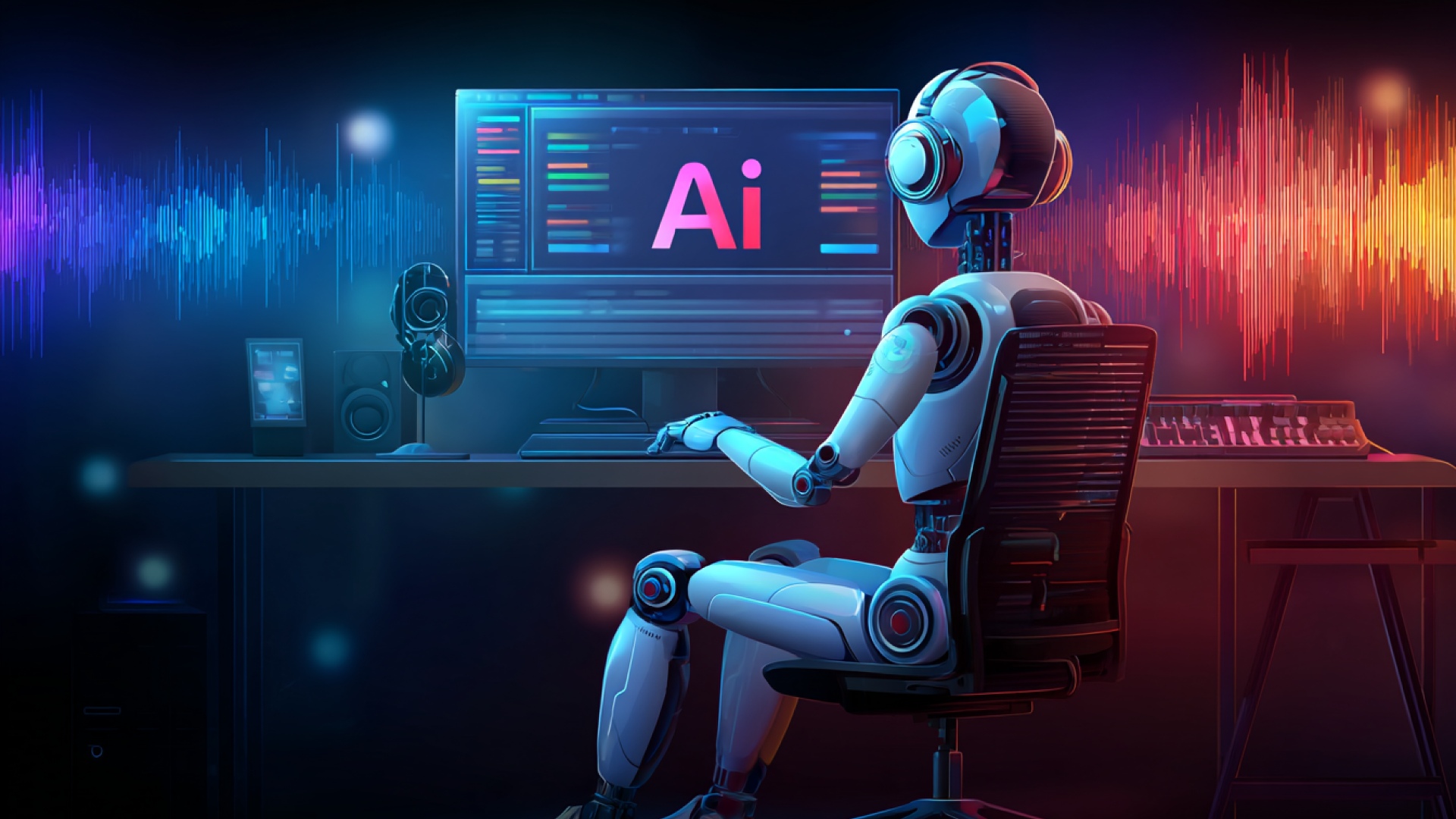
Post-production is where raw footage becomes a polished final video, but the process can often be slow and technically demanding. AI tools are now helping creators streamline editing, audio cleanup, visual refinement, and versioning.
Frameo brings these AI capabilities into one workflow, allowing creators to move from raw footage to finished videos faster while maintaining creative control. Instead of spending hours on repetitive technical steps, creators can focus more on pacing, storytelling, and final polish.
Here are some key ways Frameo supports AI-assisted post-production workflows:
- Automatic organization of large footage libraries: AI analyzes raw footage and categorizes clips based on scenes, dialogue segments, and visual cues. This makes it easier to locate important moments and assemble rough cuts without manually reviewing hours of material.
- AI-assisted clip selection for faster editing: Scene changes, key visual moments, and dialogue sections are detected automatically. Editors can quickly identify usable shots and begin shaping the narrative instead of spending long hours searching through raw footage.
- Smarter color correction and visual adjustments: AI tools analyze exposure, color balance, and contrast across clips, helping maintain visual consistency. Editors can start with automated corrections and then refine them to match the intended visual tone.
- Automated dialogue cleanup and audio balancing: Background noise can be reduced, voice clarity improved, and sound levels balanced automatically. This keeps dialogue, narration, and music tracks consistent throughout the video.
- Faster creation of multiple video versions: AI allows quick duplication of projects and the creation of multiple versions with different formats, pacing, or styles. This makes it easier to adapt content for various platforms or audiences without rebuilding the entire edit.
By automating repetitive editing, audio, and visual tasks, modern tools allow teams to produce polished videos faster and experiment with new ideas more efficiently.
Conclusion
Post-production is entering a faster and more adaptive phase as AI tools become part of everyday editing workflows. Instead of replacing editors, AI in post production is helping streamline tasks like footage sorting, audio cleanup, visual refinement, and version creation. Frameo allows creative teams to spend less time on technical processing and more time shaping the final story.
As these tools continue to mature, post-production will revolve around quicker experimentation, smoother collaboration, and stronger creative oversight. Teams that integrate AI thoughtfully into their workflows will be able to move projects from rough cut to final delivery with greater efficiency.
Try Frameo today to simplify your post-production workflow and start creating polished videos faster.
FAQs
1. What Future Developments Can We Expect From AI in Post Production?
Future advancements will likely include faster rendering, smarter media organization, improved visual generation, and real-time editing assistance. These improvements will help creators produce high-quality content more efficiently while maintaining creative control.
2. How Does AI Help Video Editors During Post Production?
AI helps editors by automatically tagging footage, detecting scenes, generating rough cuts, and organizing media libraries. This reduces the time spent searching through raw clips and allows editors to focus more on storytelling and final edits.
3. Can AI Improve Audio Quality in Post Production?
Yes. AI tools can remove background noise, enhance dialogue clarity, balance sound levels, and generate transcripts. These features make sound editing faster while maintaining consistent audio quality across projects.
4. Is AI in Post Production Only Used by Large Studios?
No. Many AI-powered editing and post-production tools are now available to independent creators, small studios, and content teams. Cloud-based platforms and built-in AI features in editing software have made advanced tools more accessible.
5. Does AI Replace Human Creativity in Post Production?
No. AI supports technical tasks such as clip sorting, color balancing, and audio cleanup. Creative decisions, storytelling choices, and final visual direction still depend on editors, filmmakers, and post-production professionals.