Top YouTube Shorts Ideas to Boost Engagement
Discover the best YouTube Shorts ideas for 2026, including proven formats, niche examples, and repeatable content strategies that drive views.
Short-form video has become one of the most important formats on YouTube. According to YouTube, YouTube Shorts now generate over 70 billion daily views, showing how quickly audiences have embraced quick, mobile-first content. For creators, brands, and marketers, this creates a huge opportunity, but it also means competition for attention is higher than ever.
The challenge is not simply posting Shorts. It is finding YouTube Shorts ideas that are easy to produce, repeatable, and interesting enough to stop viewers from scrolling.
Successful Shorts usually follow clear patterns. They start with a strong hook, deliver one focused idea quickly, and use formats that can be repeated across multiple videos. Instead of reinventing the wheel every time, most successful creators rely on simple structures that work consistently.
In this article, you will find practical YouTube Shorts ideas grouped by format, examples that work across different niches, and simple ways to generate new ideas consistently for your channel.
TL;DR / Key Takeaways
- The best YouTube Shorts ideas are simple, visual, and built around a repeatable format, such as quick tips, before-and-after transformations, or relatable POV moments.
- Shorts perform best when they have a fast hook, one clear payoff, and a format that can be reused for multiple videos.
- Series-based formats like “one tip a day,” “one mistake per video,” or “tool of the week” make it easier to stay consistent.
- Tools like Frameo help creators turn YouTube Shorts ideas into short-form videos quickly, making it easier to test and publish content consistently.
What Makes A Good YouTube Short Idea?
A good Short idea usually has three things.
1. A Fast Hook
People decide quickly whether to keep watching. If the idea takes too long to explain, it is probably better for a long-form video than a Short. YouTube’s creator guidance says the first few seconds matter, which is exactly why hook-heavy formats work so well on Shorts.
2. One Clear Payoff
The best Shorts do one job well. They teach one thing, show one reveal, tell one quick story, or make one sharp point. Once a Short tries to do too much, the result gets muddy.
3. A Format You Can Repeat
The strongest good YouTube Shorts ideas are not one-offs. They can become a series. That matters because consistency is easier when you are repeating a format instead of inventing a new content style every time.
Best YouTube Shorts Ideas
The best YouTube Shorts ideas are simple, visual, and easy to repeat. Instead of trying something completely new every time, most successful creators rely on formats they can reuse with different topics.
Below are some good YouTube Shorts ideas grouped by format so you can quickly find ones that fit your channel.
Educational and Tip-Based Shorts
These Shorts work well when you can explain one useful idea quickly. They are especially effective for creators in niches like business, fitness, editing, marketing, design, or productivity.
1. One Quick Tip
Share a single useful tip your audience can apply immediately. The key is keeping it narrow and practical. Instead of “how to grow on YouTube,” a stronger Short would be something like “one editing trick that makes your videos look more professional.”
2. One Mistake Most People Make
Pick a common mistake in your niche and explain why it causes problems. Then quickly show the better approach. This format works well because viewers often recognize the mistake and want to see the fix.
3. Myth vs Fact
Take a belief people often repeat and break it down quickly. For example, a fitness creator could explain a workout myth, while a marketing creator could challenge a popular growth hack that rarely works.
4. Beginner Mistake
Explain one mistake beginners often make when starting something new. This works well because beginners are actively searching for guidance and are more likely to save or share helpful Shorts.
5. One Useful Tool
Introduce a tool, app, feature, or shortcut that helps people solve a common problem. Keep the explanation focused on what the tool does and why it saves time or effort.
6. “Do This, Not That”
Compare two approaches to the same task. Show a weak method first, then show the improved version. This contrast makes the Short easier to understand and more satisfying to watch.
Also Read: Guide To Social Media Video Production 2026
Story, POV, and Relatable Shorts
Story-based Shorts are powerful because they feel personal and relatable. They work especially well for creators building a brand around their experience or perspective.
7. A Quick Story With a Lesson
Tell a short story from your experience and end it with a clear takeaway. The story could be about a mistake you made, something surprising that happened with a client, or a lesson you learned while working on a project.
8. POV in Your Niche
POV-style Shorts put the viewer inside a specific moment. For example, a designer could create a Short that starts with “POV: your client asks for one small change… for the fifth time.” This format works well because it taps into shared experiences.
9. What People Think vs Reality
Show the difference between how people imagine something and how it actually works. This is popular in creator, freelancer, and startup niches because many people misunderstand what the work is really like.
10. “I Tried This So You Don’t Have To”
Test a trend, tool, or idea and share the result. This format creates curiosity because viewers want to know whether the experiment worked or failed.
11. One Hard Truth
Share a straightforward opinion or observation about your niche that people do not always say out loud. These Shorts can spark engagement when they are honest and backed by experience.
12. The Mini Three-Part Story
Use a simple structure: setup, problem, and resolution. Even in a short format, this gives the viewer a reason to keep watching until the end.
Visual, Before/After, and Process Shorts
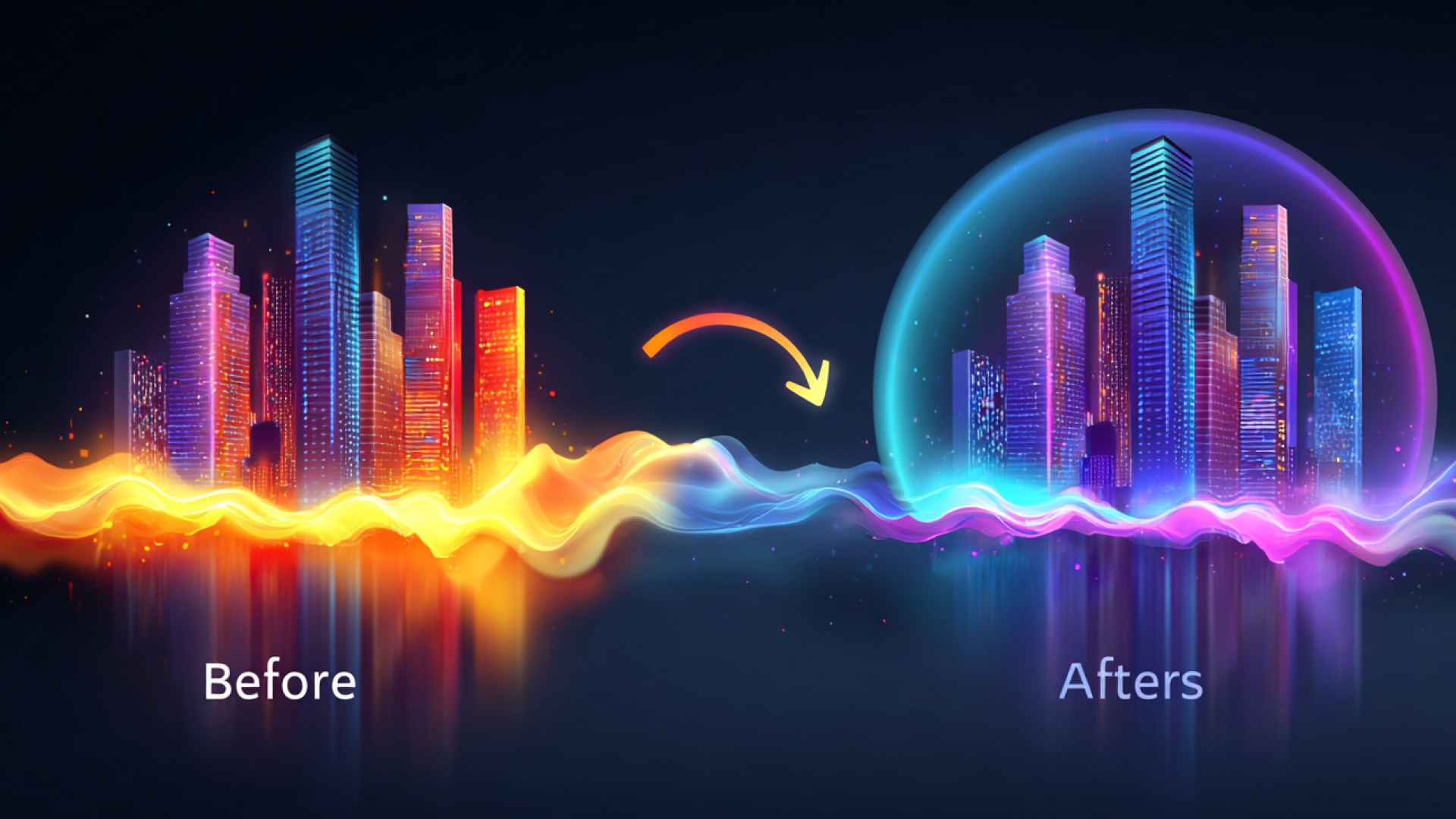
These formats work well because viewers can instantly see the payoff.
13. Before and After
Show a starting point and the improved version. This works well for editing, design, home projects, fitness transformations, and many other visual niches.
14. Process in Fast Motion
Show the steps involved in creating something, but compress them into a quick sequence. This helps viewers understand the effort behind the final result without needing a long explanation.
15. Reveal First, Explain Later
Start by showing the finished result, then briefly explain how it was created. This keeps viewers interested because they want to understand how the outcome was achieved.
16. Behind the Scenes
Give viewers a quick look at part of your workflow that they normally would not see. This could include filming setups, editing tricks, or how a product is prepared before launch.
17. How It Started vs How It Ended
This format shows progress or transformation. It works well when the difference between the beginning and end is visually obvious.
18. Speed Build or Speed Edit
Take a longer process and condense it into a fast visual timeline. This format is satisfying to watch because it shows a complete journey in a short amount of time.
Related: How To Write Prompts For AI Video Generators In 2026
Brand, Product, and Business Shorts Ideas
If you run a brand channel, agency, or product-focused page, your Shorts should demonstrate value quickly rather than feel like ads. The best YouTube Shorts ideas in this category show proof, clarity, or real use cases.
19. One Customer Problem, One Fix
Pick a common customer problem and show the solution quickly. For example, a marketing agency could show how a weak landing page headline was rewritten to improve clarity and conversions.
20. Quick Product Use Case
Instead of listing product features, show one simple way someone would use the product in real life. Shorts work best when viewers can instantly imagine the situation.
21. Mini Case Study
Take one quick result from a campaign, project, or client experience and break it down in under 30 seconds. Explain the problem, what changed, and the result.
22. Common Customer Question
Answer one question you hear often from customers or clients. These Shorts are easy to produce because the ideas already exist in emails, comments, or sales calls.
23. One Lesson From a Project
Share a quick insight from a project you recently completed. It could be a mistake you avoided, something that worked better than expected, or a lesson you learned while solving a problem.
24. Product Comparison
Compare two options quickly and explain when someone should use each one. This format helps viewers understand decisions without needing a long explanation.
Also Read: Best AI Tools For Product Marketing In 2025
Faceless and AI-Friendly Shorts Ideas

Many creators run channels without appearing on camera. These shorts ideas work well with voiceover, text overlays, stock visuals, or AI-generated scenes.
25. Visualized Quote or Lesson
Take a strong quote, lesson, or insight and turn it into a short visual story. This works well with background visuals and simple voice narration.
26. Mini Story Scene
Create a short narrative moment using text, visuals, and voiceover. These Shorts can be dramatic, funny, or thought-provoking depending on the tone of the channel.
27. “What If” Scenario
Start with a question that sparks curiosity. For example: “What if you stopped checking your phone for one hour every morning?” Then explain what might change.
28. Fact-Based Shorts
Share an interesting fact or quick explanation related to your niche. This format works well for history, science, finance, and educational content.
29. List Shorts
Create a quick list of three items related to a topic. For example, “three habits that improve productivity” or “three editing tricks most beginners miss.”
30. Visual Storytelling
Tell a short story using visuals, text, and sound instead of talking directly to the camera. This style is common in faceless storytelling channels.
Related: How To Create An AI Character Video
YouTube Shorts Ideas You Can Turn Into a Series
Many creators struggle with consistency because they treat every Short as a new experiment. A better strategy is building a repeatable series. Series-based formats make it easier to produce content regularly while giving viewers something familiar to return to.
One Tip a Day
Share one small, useful tip related to your niche every day or week. Over time, this builds a library of quick insights your audience can revisit.
One Mistake Per Short
Explain one mistake people commonly make and show how to avoid it. This works well for education-based channels because the topic pool is large.
Tool of the Week
Highlight one useful tool, feature, or shortcut in each Short. Viewers often enjoy discovering resources that save time or simplify work.
One Lesson From Experience
Share a lesson you learned from your work or personal journey. These Shorts feel authentic and help build trust with the audience.
Myth-Busting Series
Take one myth in your niche and explain why it is misleading or incomplete. This format encourages engagement because people often have strong opinions about common beliefs.
How to Come Up With YouTube Short Ideas Faster
Even with a list of ideas, creators eventually run out of inspiration. The easiest way to keep producing good YouTube Shorts ideas is to build a simple idea-generation system.
1. Turn Questions Into Shorts
Look at the questions people ask in comments, emails, or community posts. Each common question can become a Short.
2. Break Down Long Videos
If you already create longer videos, extract smaller lessons or moments from them. Many Shorts start as small highlights from larger pieces of content.
3. Watch Patterns in Your Niche
Instead of copying trends directly, study why certain formats work. Identify the structure behind successful Shorts and adapt it to your topic.
4. Save Ideas Immediately
When an idea appears, write it down right away. Most creators lose ideas simply because they assume they will remember them later.
Also Read: 20 AI Video Generator Prompt Examples Creators Can Use
How Frameo Helps Turn YouTube Shorts Ideas Into Publishable Videos
Coming up with YouTube Shorts ideas is only part of the job. The real bottleneck for most creators is turning those ideas into finished videos fast enough to stay consistent.
Frameo helps simplify that workflow through a few core capabilities:
- Prompt-To-Video Creation For Fast Shorts Production
Frameo turns story prompts or scripts into short-form videos, which is useful when an idea needs to move quickly from concept to publishable content. - Storyboarding And Scene Structure For Clearer Shorts
Frameo includes an AI Storyboard Builder that maps written ideas into shot-by-shot sequences, helping creators plan pacing, visual flow, and scene order before publishing. - Faceless, Voiceover, And Dubbing Workflows
Frameo supports faceless video creation along with AI narration, dubbing, and multilingual voice layers, which is especially useful for creators making explainers, list Shorts, mini stories, and visual quote content. - Vertical, Short-Form Output Built For Shorts
Frameo is explicitly built for vertical, mobile-first video creation and is positioned for formats like TikTok, Reels, and YouTube Shorts, which makes it a direct fit for this publishing style.
For creators testing multiple ideas for YouTube Shorts, that matters because it reduces the friction between idea generation and actual output. Instead of treating every Short like a separate production project, Frameo supports a faster, repeatable workflow for story-led, faceless, voice-supported, and visual-first Shorts.
Conclusion
Good YouTube Shorts ideas are usually not the most complicated. They are the ones that deliver one clear payoff fast, fit a repeatable format, and can be turned into a steady publishing system over time.
That is why formats like quick tips, mistakes, mini stories, before-and-after clips, POVs, and faceless visual explainers continue to work. They are simple to understand, flexible across niches, and easier to scale than one-off experiments.
For creators trying to publish consistently, the bigger advantage comes from reducing production friction. Frameo helps make that easier by turning prompts, scripts, and rough concepts into vertical short-form videos with storyboard structure, voice support, and faster output built for Shorts.
Start Creating YouTube Shorts With Frameo Today!
Frequently Asked Questions
1. What type of YouTube Shorts go viral the most?
Shorts that deliver one clear payoff quickly tend to perform best. Common examples include quick tips, visual transformations, relatable POV scenarios, surprising facts, and short story moments that keep viewers watching until the end.
2. How many YouTube Shorts should you post per day?
Many creators post 1–3 Shorts per day, especially when growing a new channel. Consistency matters more than volume, so it is usually better to post regularly with clear ideas than to upload many random videos.
3. Do YouTube Shorts help grow a channel?
Yes. Shorts can help channels reach new audiences quickly because they are distributed through the Shorts feed, which exposes videos to viewers who may not already follow the creator.
4. Can you monetize YouTube Shorts?
Yes. Creators can earn revenue through the YouTube Shorts ad revenue sharing program, brand partnerships, and by using Shorts to bring viewers to longer monetized videos.
5. Do YouTube Shorts need hashtags?
Hashtags are optional. While some creators still use tags like #shorts, YouTube mainly relies on video format and metadata to classify Shorts content, so strong hooks and clear topics usually matter more than hashtags.